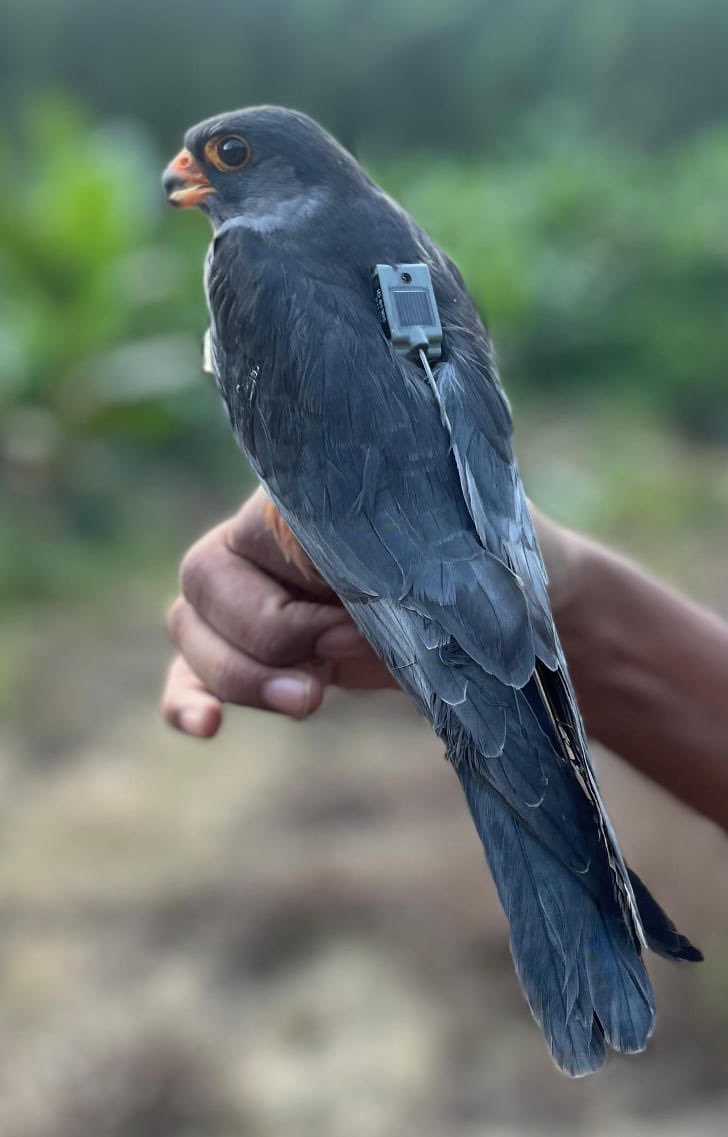






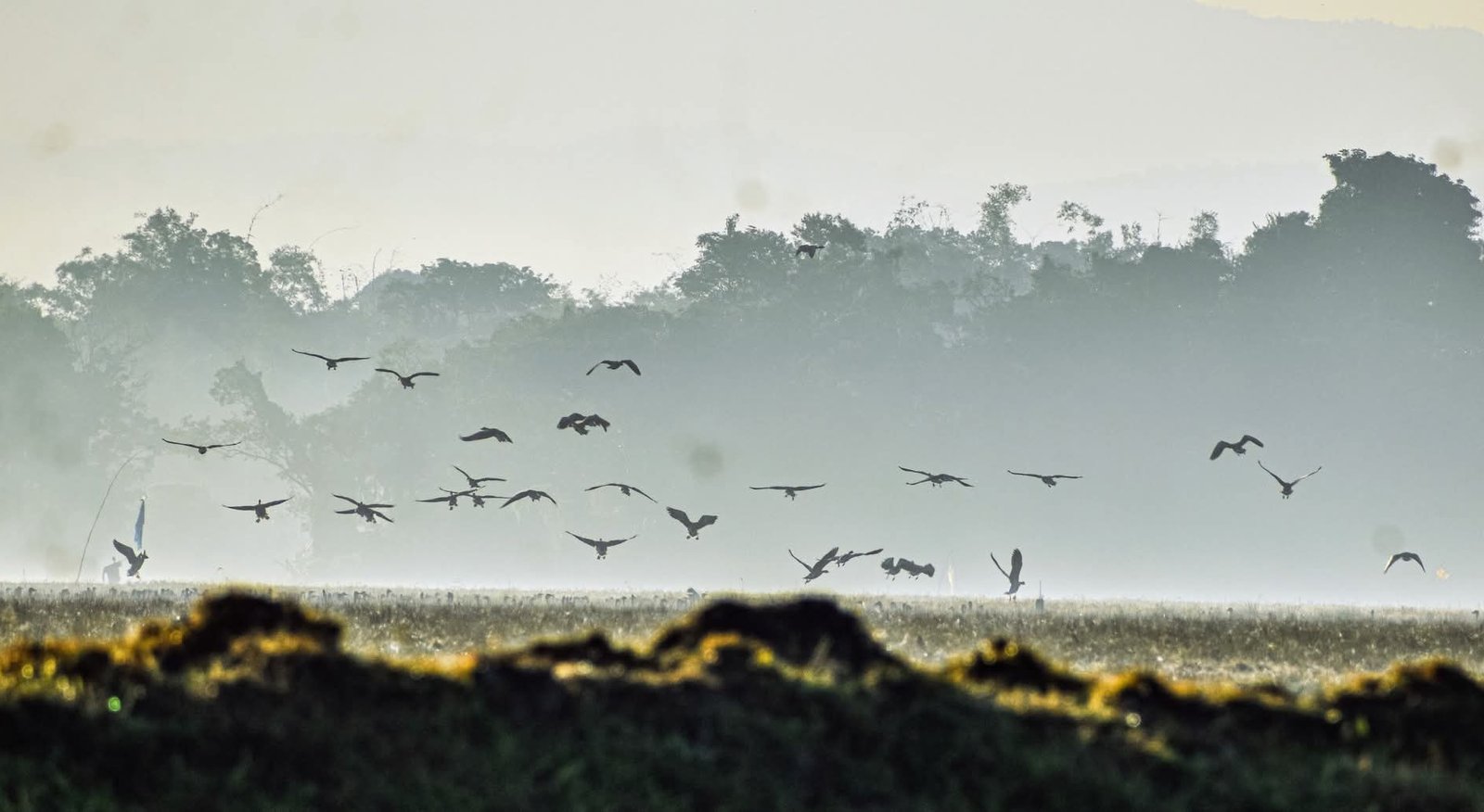
Thousands of migratory birds have descended upon Pohu Garh, a historic natural zoo and waterbody in Assam’s Sivasagar district, transforming the ancient site into a vibrant avian paradise as winter sets in.
Built by the great Ahom King Swargadeo Rudra Singha between 1696 and 1714, Pohu Garh holds the distinction of being Asia’s first natural zoo of that era. Originally designed as a royal wildlife enclosure to house rhinos, deer, tigers, and elephants within its robust embankments, the site, located about 5 km from Sivasagar town between Joysagar Pukhuri (Tank) and Rudrasagar Tank, has now evolved into a crucial wetland haven.

Flocks of magnificent birds, including Siberian Pelicans, Glossy Ibises, Bar-headed Geese, and Greylag Geese, began arriving in early November. They have been joined by numerous other species, such as White Wagtails, Yellow Wagtails, Siberian Stonechats, Northern Pintails, and Gadwalls, drawn by the serene waters and the region’s mild winter climate.
The site is proving to be an increasingly important stopover for vulnerable species.
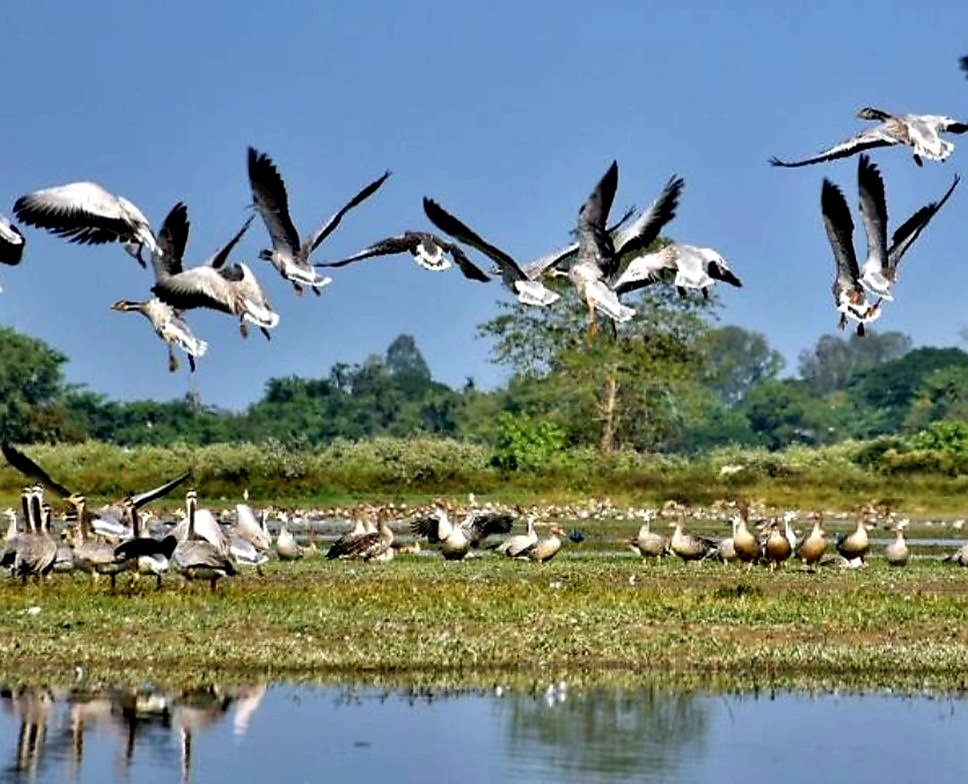
Conservation experts have documented sightings of the increasingly rare Lesser White-fronted Geese, along with Ferruginous Ducks and the critically endangered Baer’s Pochard, highlighting Pohu Garh’s ecological significance in the global migration route.
Environmental conservationist Dayal Kishur Konwar highlighted the site’s growing popularity among visitors. “Many tourists, including foreigners visiting Sivasagar, are flocking to the lake to witness these migratory winged species. It’s a breathtaking spectacle that connects our historical heritage with the global phenomenon of migration,” Konwar said.
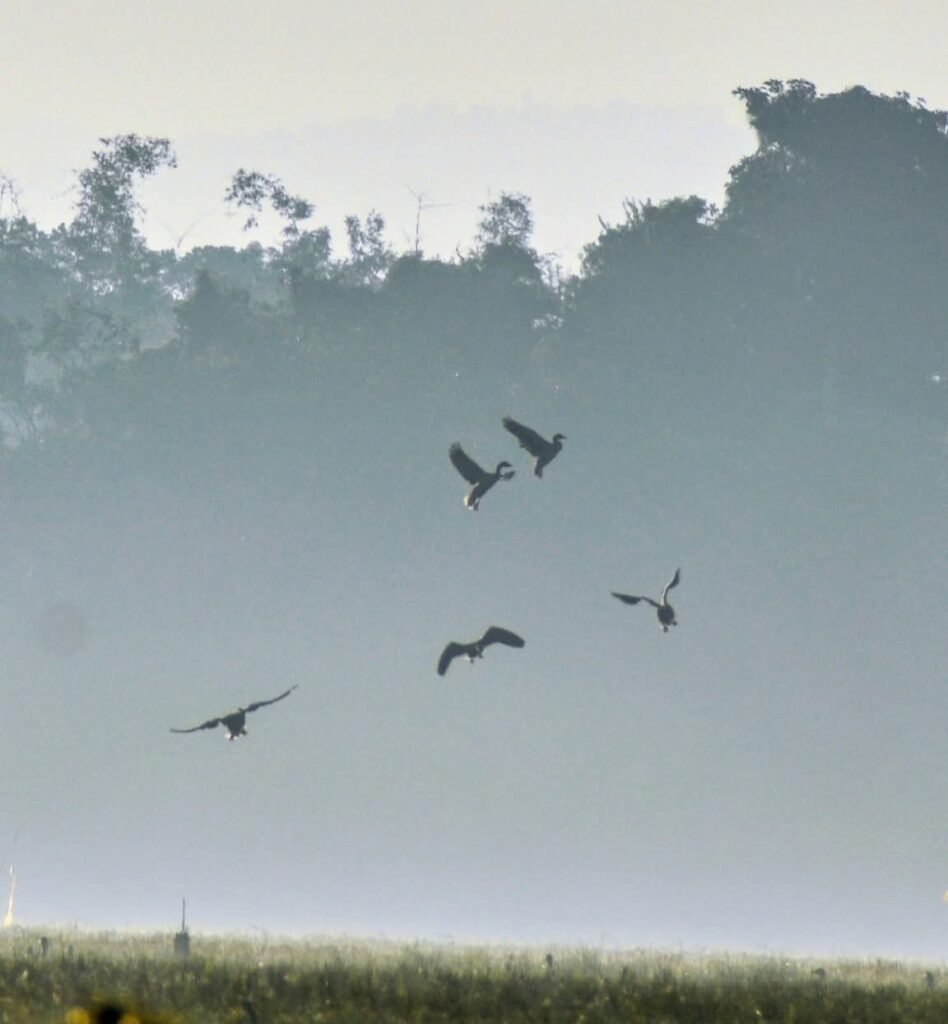
The migration pattern typically spans from November through February, offering an extended window for nature enthusiasts and birdwatchers to observe these remarkable visitors.