





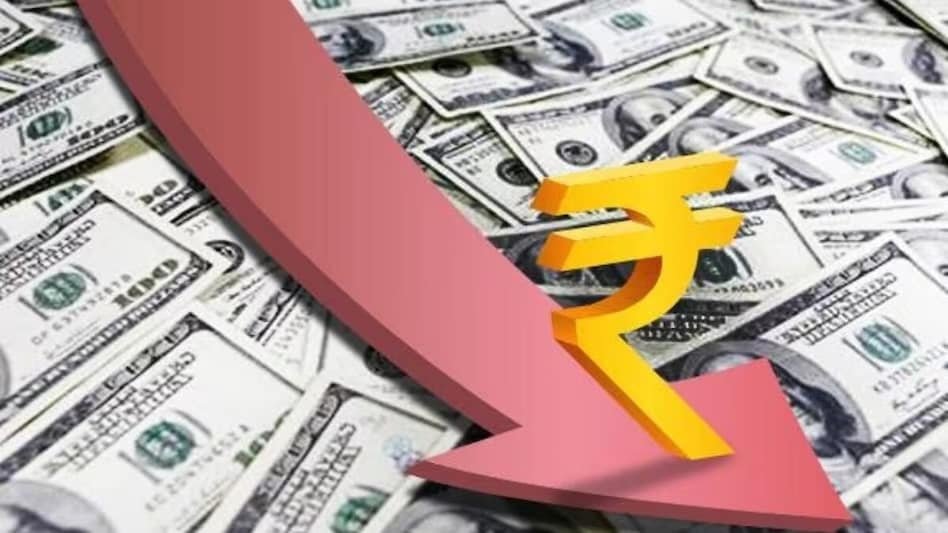
The Indian Rupee hit an all-time low of 89.76 against the US Dollar in Monday’s early trade (December 1, 2025), surpassing its previous record low as persistent foreign capital outflows and anxieties over a stalled US-India trade agreement continued to pressure the local currency.
The depreciation comes despite recent positive signals from the domestic economy, including a surprisingly robust GDP growth of 8.2% reported for the last quarter. This strong data, which would typically support the rupee, has been overshadowed by external headwinds.
The primary drag on the rupee has been the combined effect of a strengthened US Dollar and ongoing geopolitical friction. The rupee has been Asia’s worst-performing currency this year, largely driven by sizable foreign portfolio investor (FPI) withdrawals and the uncertainty surrounding the India–US trade deal.Foreign investors have pulled over $16 billion from Indian equities so far this year, demanding more dollars and weakening the rupee.
Furthermore, the elevated US tariffs on Indian exports have hurt trade and inward portfolio flows.

Jateen Trivedi, VP Research Analyst – Commodity and Currency, LKP Securities said, “With no clear progress on the India–US trade deal and uncertainty still dominating sentiment, rupee weakness may continue toward the 90 mark. Immediate resistance for the rupee now stands at 89.20, while the bias remains firmly on the downside.”
The sharp fall in the rupee is expected to immediately raise the cost of essential imports, particularly crude oil, electronics, and fertilizers, thereby fueling imported inflation. However, export-oriented sectors, such as the IT and services industry, will benefit as their dollar earnings convert into higher rupee revenues.
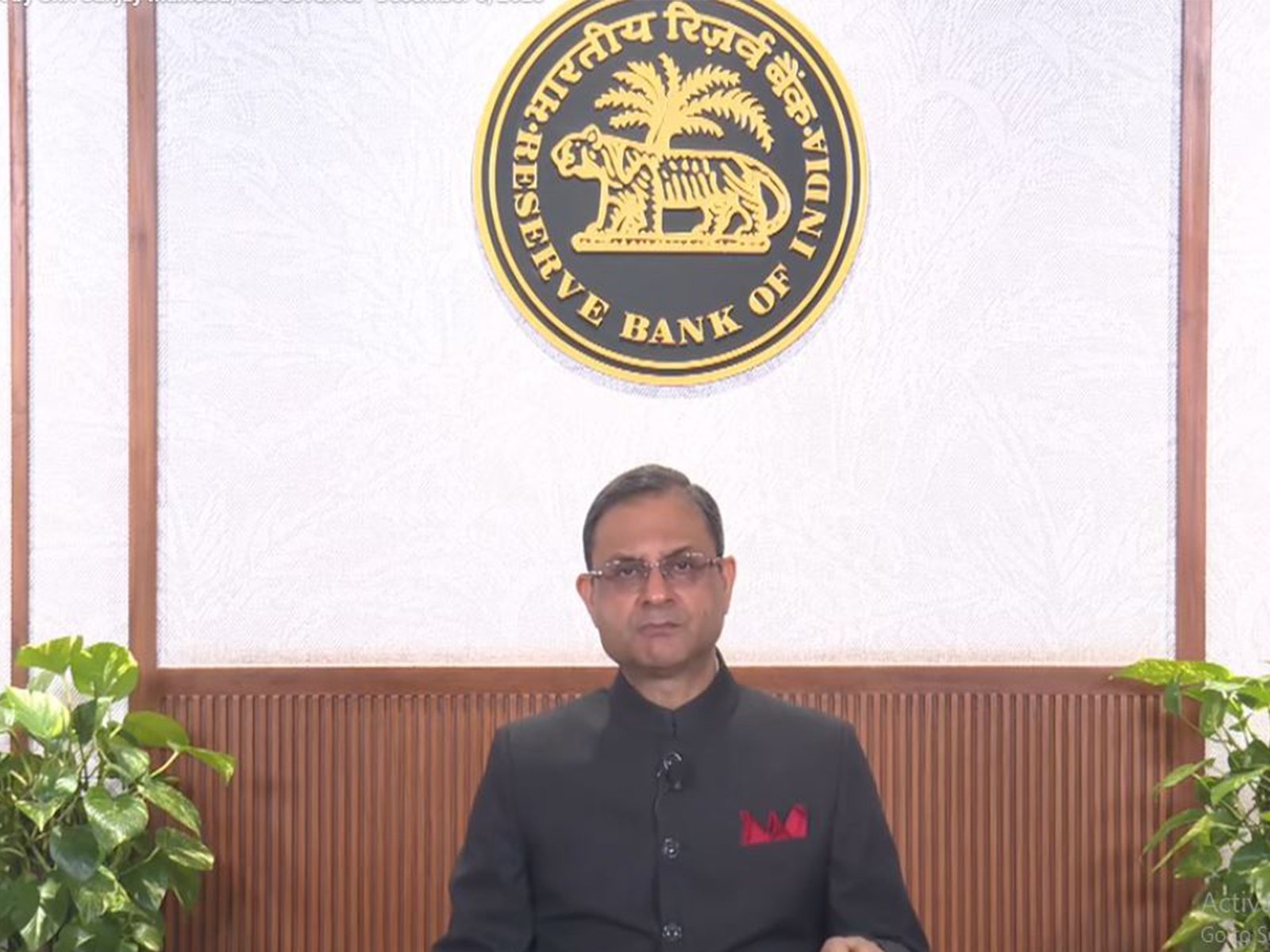
The Reserve Bank of India (RBI) is believed to have been intervening in the forex market to curb excessive volatility, but its approach has been described as “calibrated,” allowing for some depreciation rather than a rigid defense of a specific level. Traders are now watching closely for the RBI’s next monetary policy decision, with the expectation that robust growth data may dampen the likelihood of an immediate rate cut, which could otherwise put further pressure on the currency.
The rupee’s stability in the coming weeks remains tied to a resolution in trade negotiations and a sustained return of capital inflows.