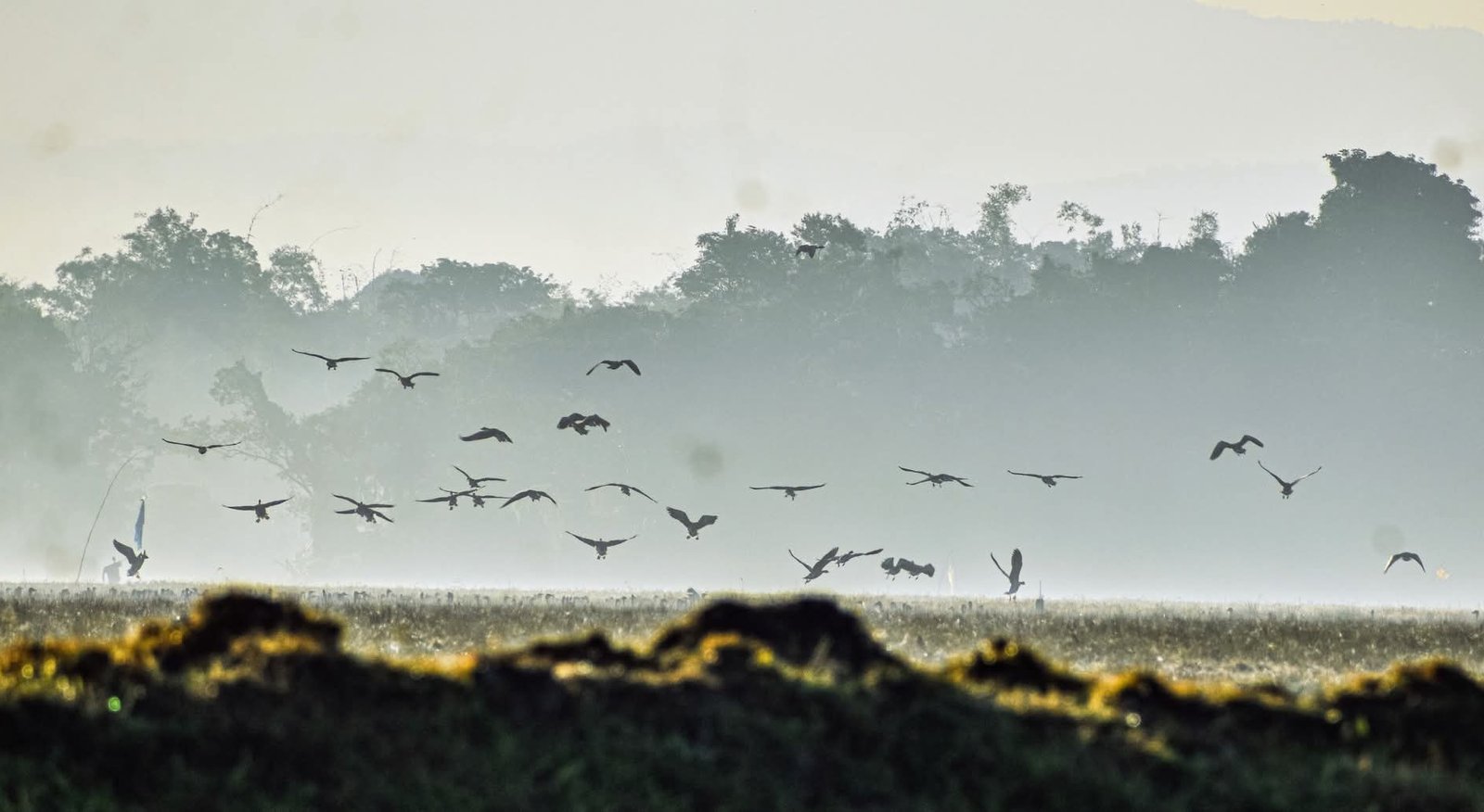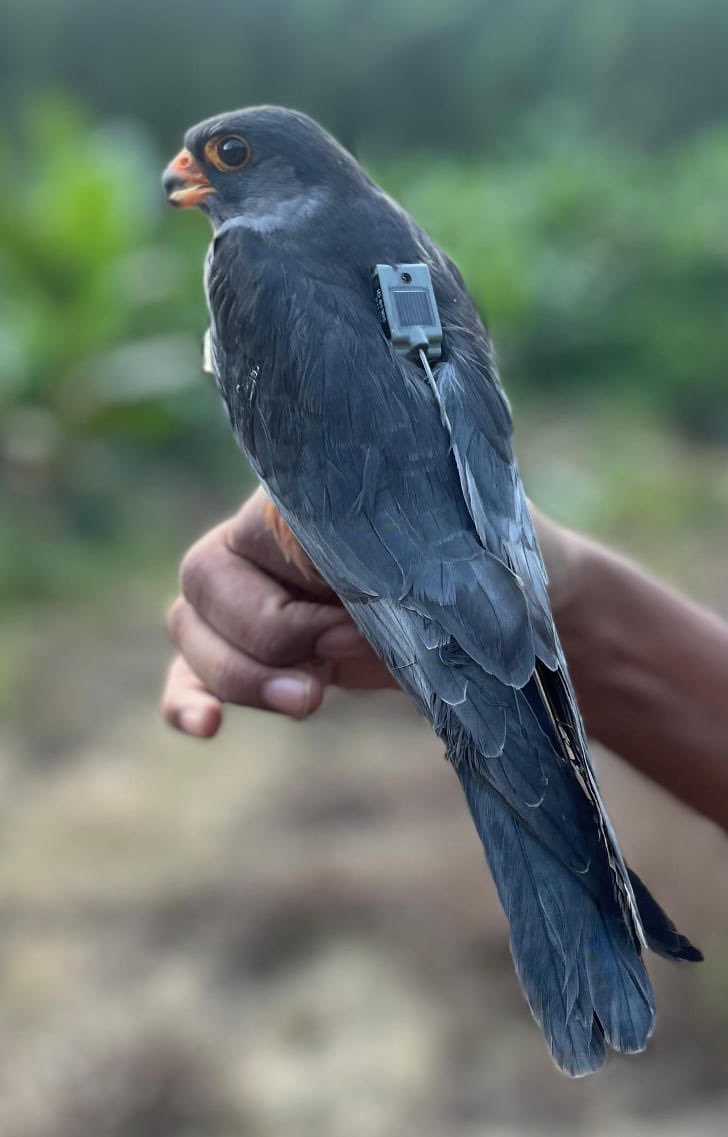







The serene waters of Maguri Beel are alive with the flutter of wings and melodious bird calls as thousands of migratory birds have arrived at Assam’s premier wetland destination, drawing nature enthusiasts and photographers from across the country. Located near Dibru-Saikhowa National Park in Tinsukia district, this expansive water body has transformed into a mesmerising avian sanctuary, offering visitors an unforgettable rendezvous with nature.
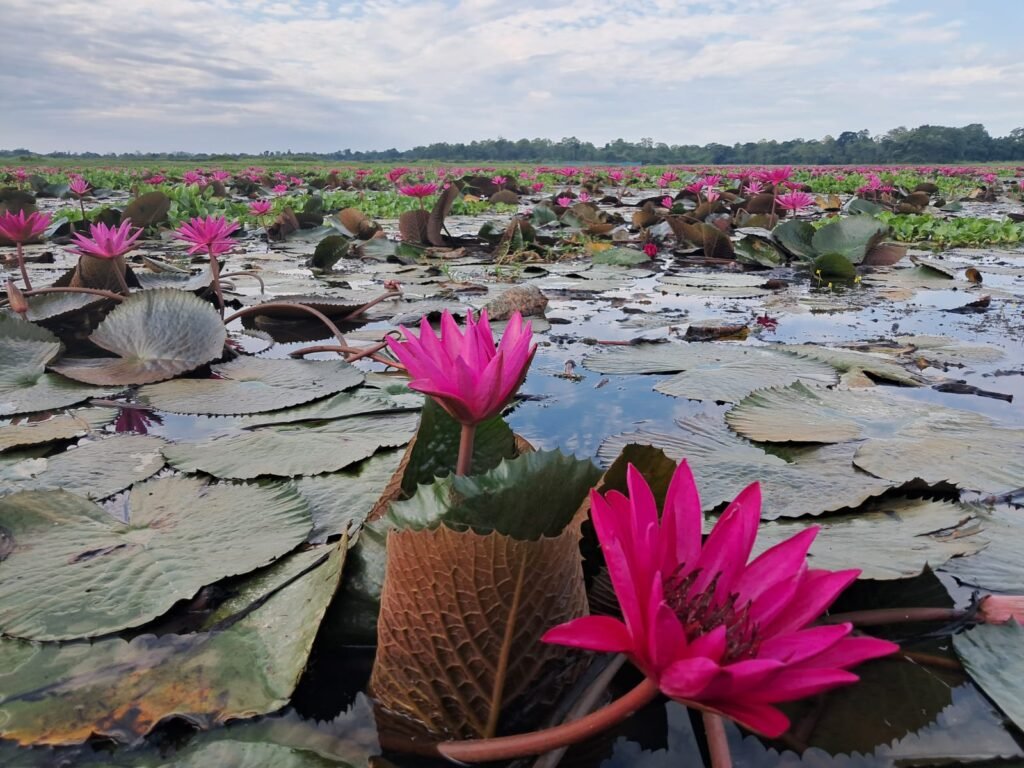
Maguri Beel, a vast wetland ecosystem formed where the Dibru and Lohit rivers—tributaries of the Brahmaputra—converge, serves as a crucial gateway to the Dibru-Saikhowa Biosphere Reserve. Recognized globally as an Important Bird Area (IBA), this ecological treasure derives its name from “Maguri,” the local term for catfish, paying homage to the region’s rich fishing traditions that have sustained communities for generations.
Wildlife conservationist Niranta Gohain, who has dedicated years to studying the wetland’s ecosystem, describes Maguri Beel as an irreplaceable natural asset. “This wetland is a critical habitat supporting over 110 bird species, both resident and migratory. Its strategic location along the Central Asian Flyway makes it an essential stopover for countless birds undertaking their annual migration journey,” Gohain explains, highlighting the site’s international significance.
The wetland’s biodiversity is nothing short of spectacular. Threatened species including the Swamp Francolin and Ferruginous Duck find refuge here, while the surrounding grasslands shelter rare and elusive birds like Jerdon’s Babbler, the Chestnut-capped Babbler, Marsh Babbler, and the prized Black-breasted Parrotbill. The air resonates with calls of Rufous-rumped Grassbirds and Indian Pittas, creating a natural symphony that captivates visitors.
Water’s edge becomes a theater of elegant waders—Little and Common Greenshanks stride through shallow waters, Black-winged Stilts display their characteristic grace, and the intricately patterned Painted Snipe offers glimpses of nature’s artistry. The vibrant Indian Roller, with its stunning turquoise plumage and acrobatic aerial displays, adds splashes of color against the wetland’s muted winter palette.
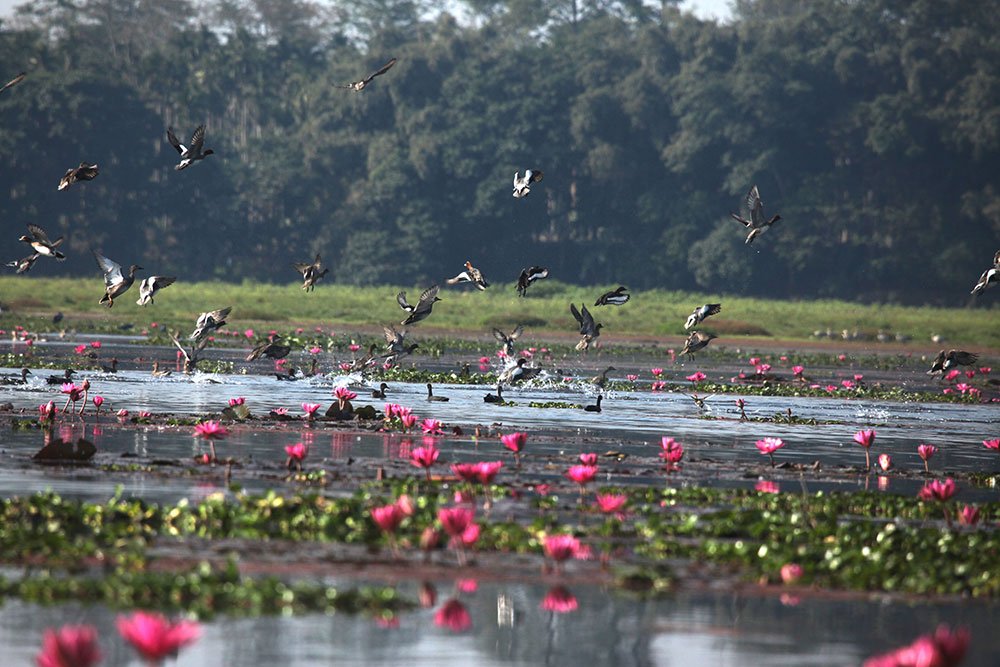
Tourist footfall has increased significantly this season, with visitors eager to experience the wetland’s magic through boat rides that navigate deep into the beel’s heart. These excursions provide unparalleled opportunities for close-up wildlife observation and photography. The period between November and January proves especially rewarding for photographers, as delicate morning mist creates mystical atmospheres perfect for capturing stunning images, while afternoon sunshine illuminates the landscape brilliantly.
“What’s truly remarkable is Maguri Beel’s resilience,” notes Gohain, referring to the 2020 oil spill disaster that threatened the ecosystem. “The wetland has recovered impressively, and the robust return of migratory species validates our conservation initiatives. This recovery story should inspire continued environmental stewardship.”
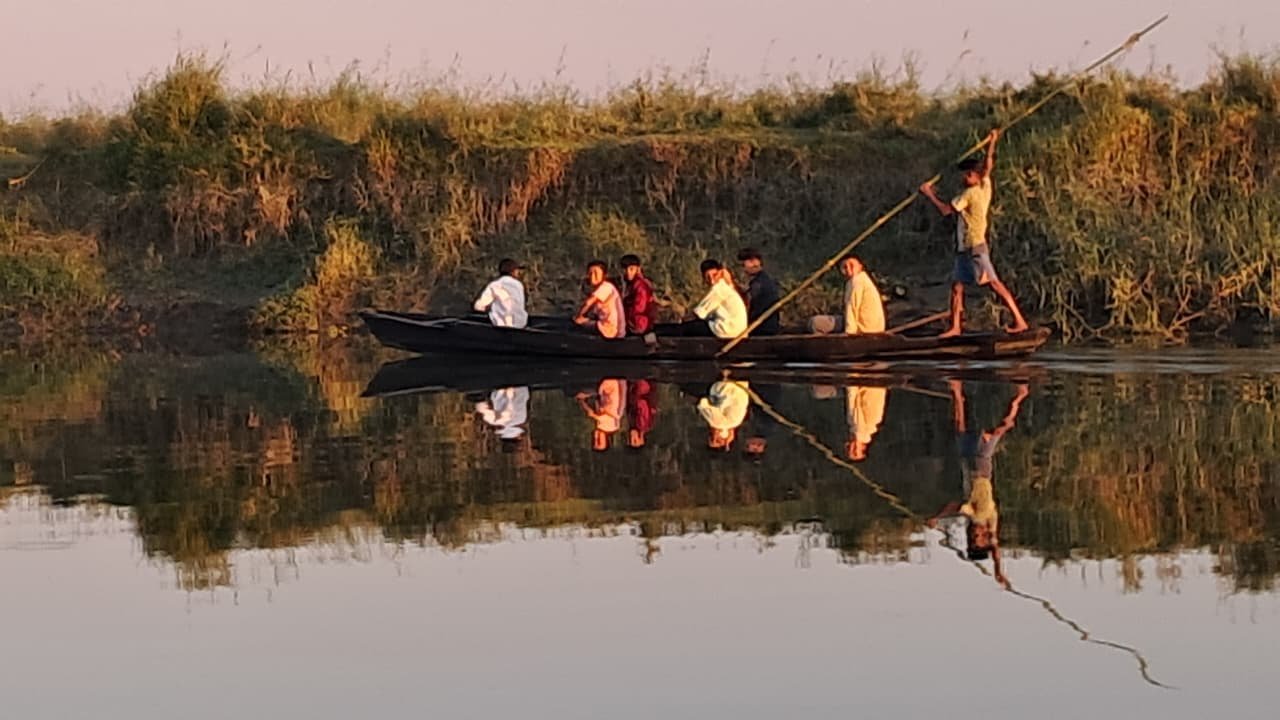
Local communities have embraced eco-tourism opportunities, offering paddle boats, guided walking safaris through adjacent grasslands, and insights into traditional fishing practices that coexist with conservation efforts. Resident species like the shy Brown Crake, Yellow-bellied Prinias, and Striated Babblers maintain year-round presence, ensuring the wetland never loses its charm. The ideal visiting window extends from November through April, when pleasant weather coincides with peak migratory activity.
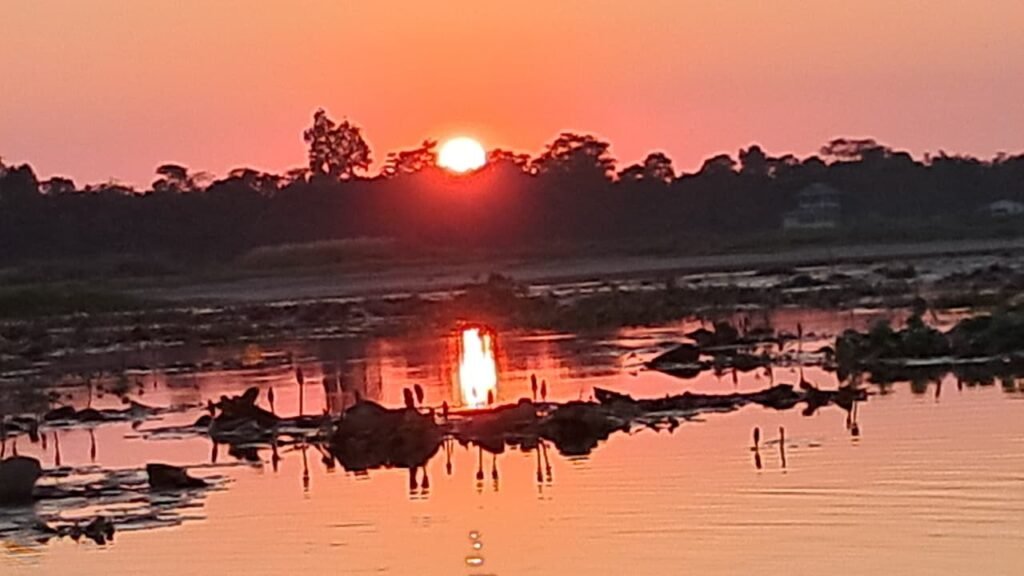
As Maguri Beel continues enchanting visitors with its natural splendour, it stands as a testament to Assam’s commitment to preserving biodiversity and promoting sustainable tourism that benefits both wildlife and local communities.