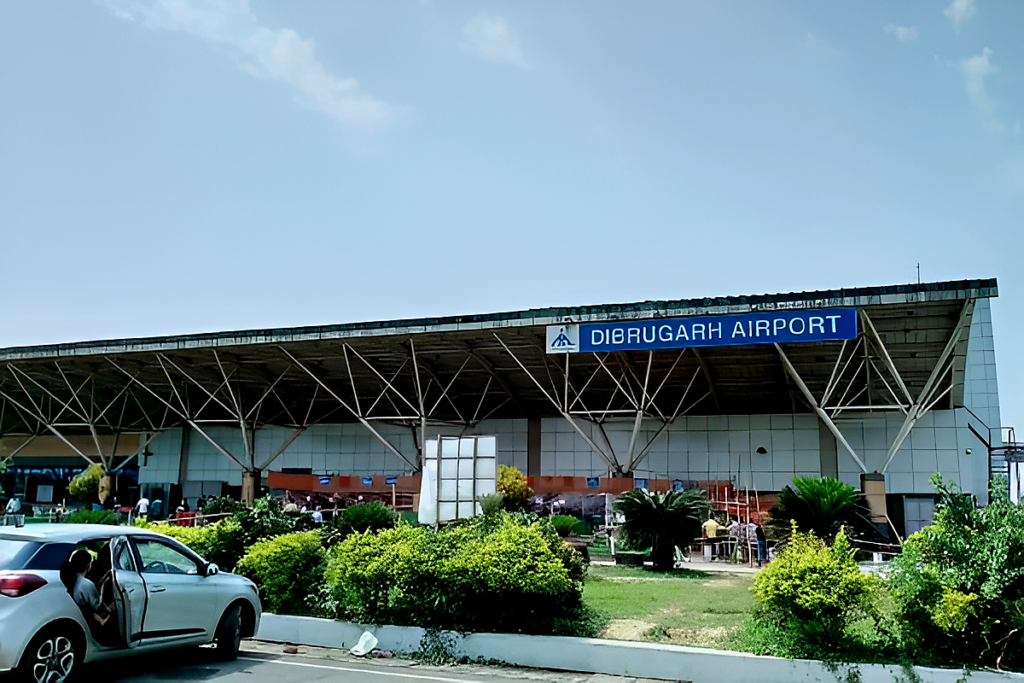







Dibrugarh Airport has successfully completed a vital safety upgrade, finalising the crucial calibration of its primary navigation systems: the Instrument Landing System (ILS) and the Precision Approach Path Indicator (PAPI). This technical milestone, completed on Saturday, is set to significantly enhance operational safety and efficiency at the regional hub.
The specialised calibration was executed by the Airport’s Communications, Navigation, and Surveillance (CNS) Team, who worked in close coordination with the expert Flight Inspection Unit (FIU) from the Airports Authority of India (AAI) Headquarters.

Dibrugarh Airport Director, Bangajit Saha highlighted ed the importance of the exercise. “The successful completion of the ILS and PAPI calibration is a testament to the rigorous standards maintained by the AAI. These systems are the backbone of all-weather flight operations. Their accurate calibration will further enhance operational safety and efficiency, directly benefiting both the airlines and our passengers,” Saha stated.
The ILS is a high-precision radio navigation system that delivers lateral and vertical guidance to aircraft, enabling pilots to land safely even when visibility is poor. Complementing this is the PAPI, a visual aid on the ground that uses lights to ensure the aircraft is following the correct descent path during the final approach.
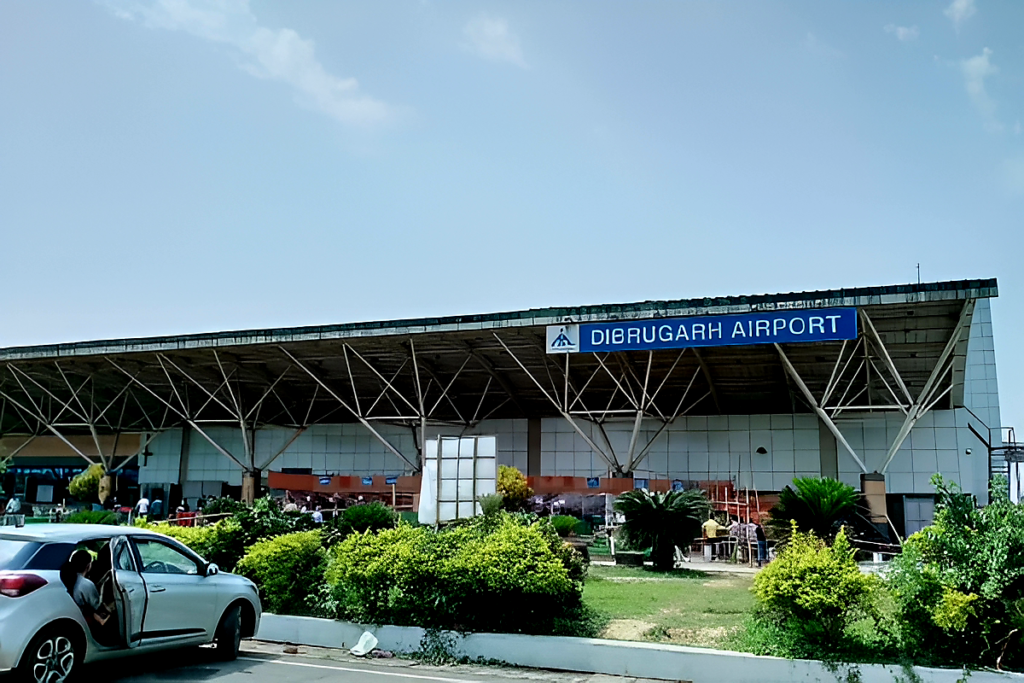
The calibration involves a specialised FIU aircraft flying precise maneuvers to measure the signal accuracy of the ground-based equipment. The CNS team then makes necessary adjustments to ensure the signals meet the stringent international standards required for reliable and safe flight operations. This meticulous process is essential for maintaining the integrity and accuracy of the systems.
Saha noted that the collaborative effort ensures Dibrugarh Airport remains fully compliant with the latest safety regulations and is better equipped to handle varying weather conditions. The enhanced precision provided by the newly calibrated systems is expected to reduce landing risks and contribute to overall operational stability, minimising delays for passengers.