





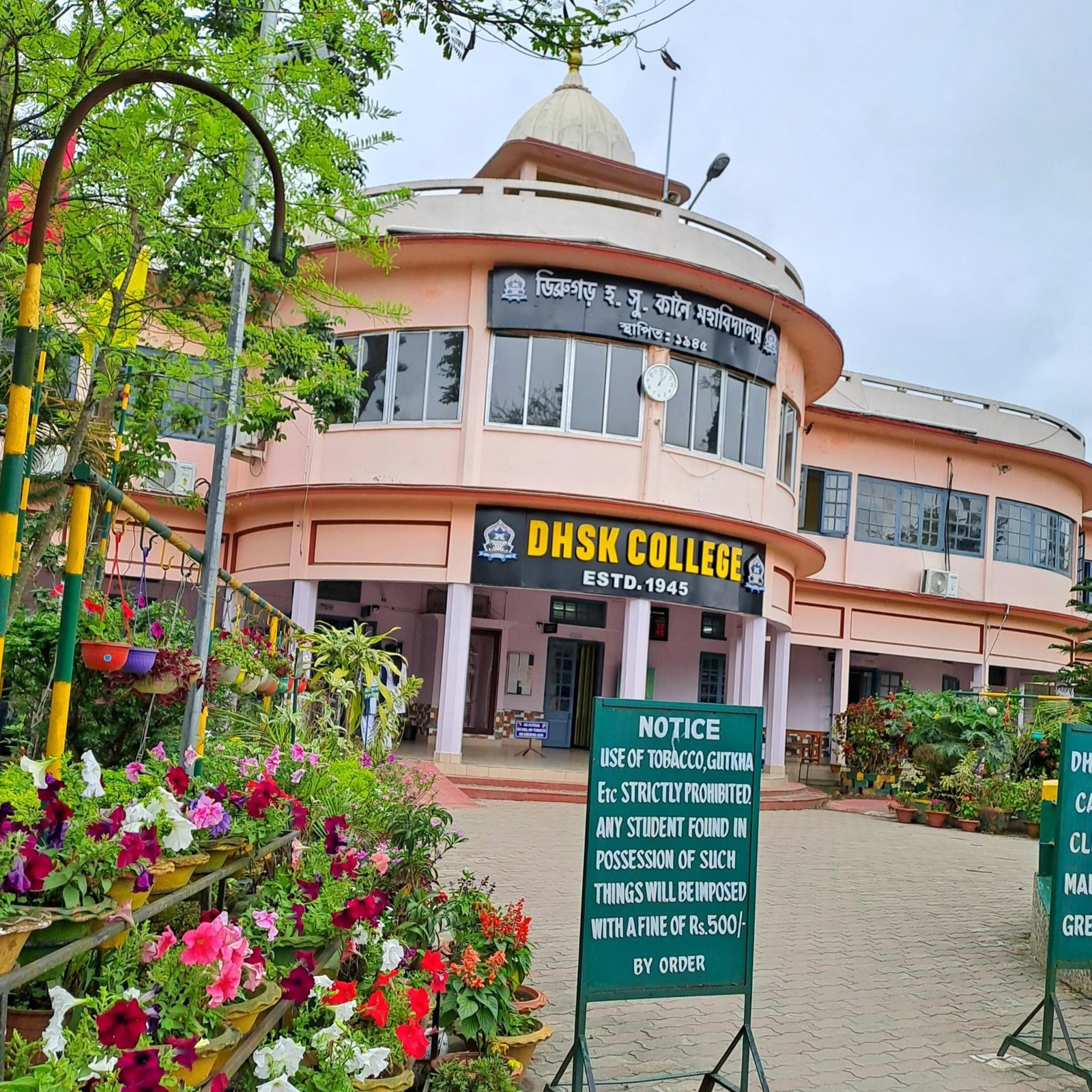
The Department of Botany at Dibrugarh Hanumanbux Surajmal Kanoi (DHSK) College organised an interactive session on “Orchids of Assam and Newly Recorded Species” on Monday, featuring renowned orchid conservationist Khyanjeet Gogoi as the resource person. The event, conducted in association with IQAC and International and Industrial Relations, DHSK College (Autonomous), formed part of a memorandum of understanding signed between the college and The Orchid Society of Eastern Himalaya (TOSEHIM).
The session, which commenced at 11am, was attended by over 102 students and presided over by Principal Dr Sashi Kanta Saikia, Vice Principal Dr Partha Ganguli, Member Secretary of the Academic Council Dr JP Phukan, and faculty members including Dr Aditya Dahal, Dr Sunanda Sahu, and the Department of Botany staff.
Principal Dr Sashi Kanta Saikia delivered the welcome address, highlighting the institution’s commitment to nature conservation whilst emphasising the urgent need for orchid preservation. Dinalisha Bora, Head of the Department of Botany, provided a brief introduction outlining the event’s objectives.
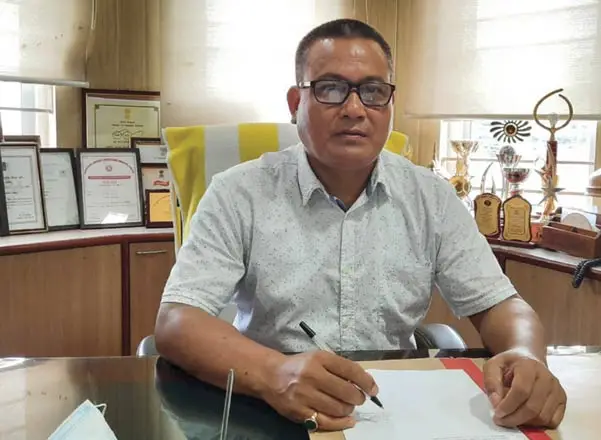
A highlight of the occasion was the inauguration of the Department of Botany’s first news bulletin, titled “Chlorophyll”, jointly launched by Gogoi and Dr Saikia, who pledged to organise further events to enlighten students about conservation needs.
Dr Ganguli delivered an insightful talk on the economic significance of orchids as cut flowers, whilst Associate Professor Rajib Lochan Borah introduced the resource person, highlighting his extensive fieldwork and research publications.
Gogoi presented a comprehensive overview of the Orchidaceae family, revealing impressive statistics: “There are over 35,000 species worldwide, 1,430 species in India, and 411 species in Assam, of which 275 are rare.”
He noted that the genus Dendrobium represents the largest group with 56 species and 46 genera, including the unique Vanilla barnensis, Assam’s only vanilla species.”
From 2018 to 2025, around 30 new orchid species were recorded from Assam and surrounding areas,” Gogoi stated, citing examples including Bulbophyllum ptopinquum, Phiaus nanus, Cylindrolobus arunachalensis, Cymbidium sinense, Cyrtosia nana, and the recently documented Dendrobium khasianum and Dendrobium regium, which flowered in 2024.
He addressed major threats to orchid propagation, including illegal trade, forest destruction, and dam construction, stressing the critical importance of public awareness in conservation efforts.The session concluded with discussions on future research opportunities, encompassing hybridisation studies, pollination biology, in vitro propagation, and the establishment of Orchid Germplasm Conservation centres—initiatives vital for preserving Assam’s rich orchid biodiversity for future generations.