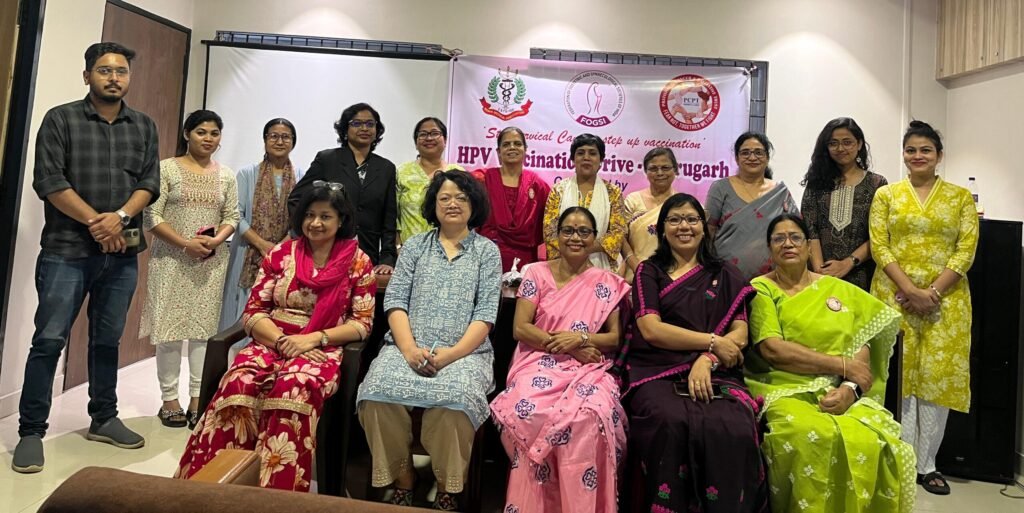






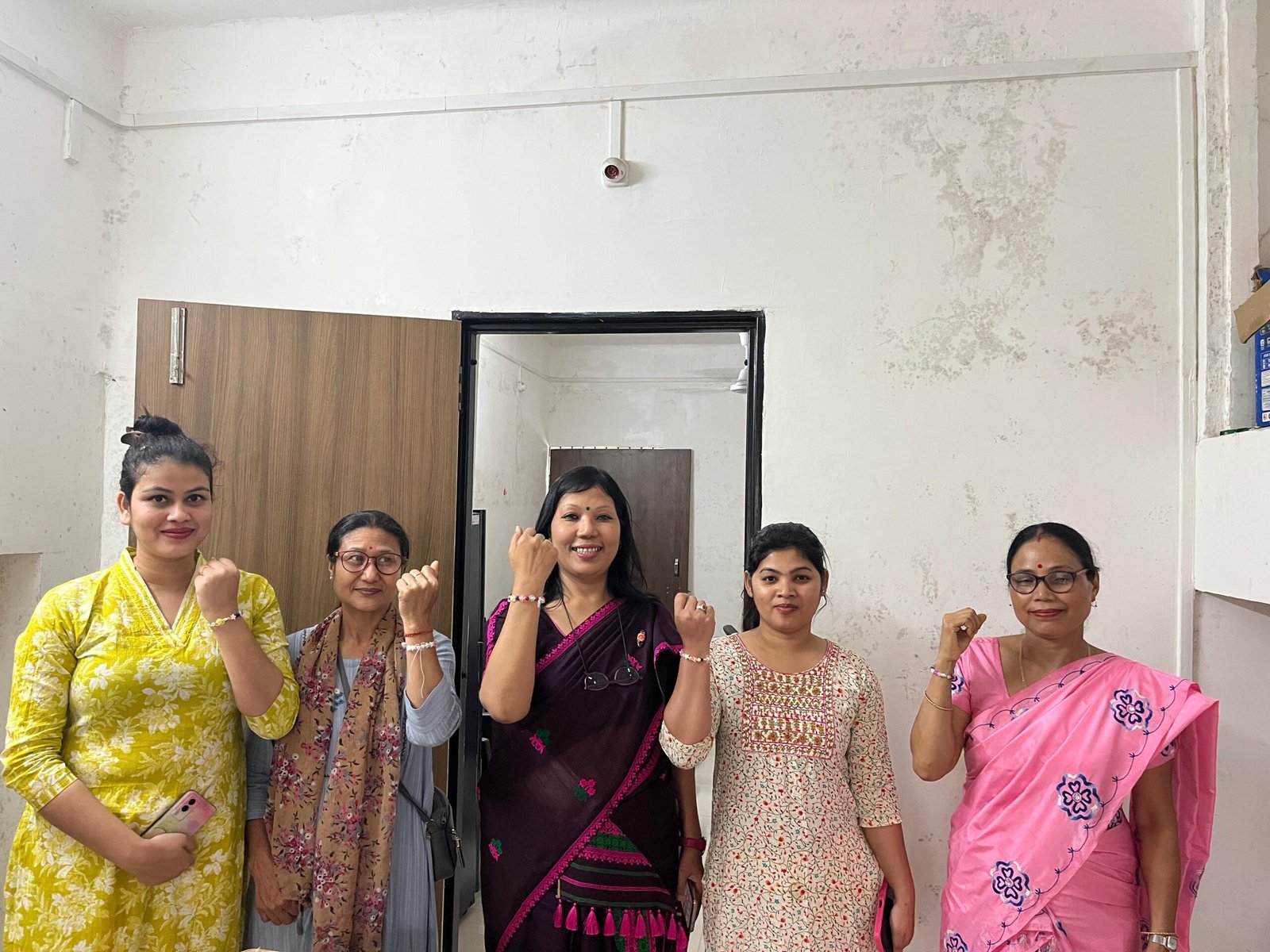
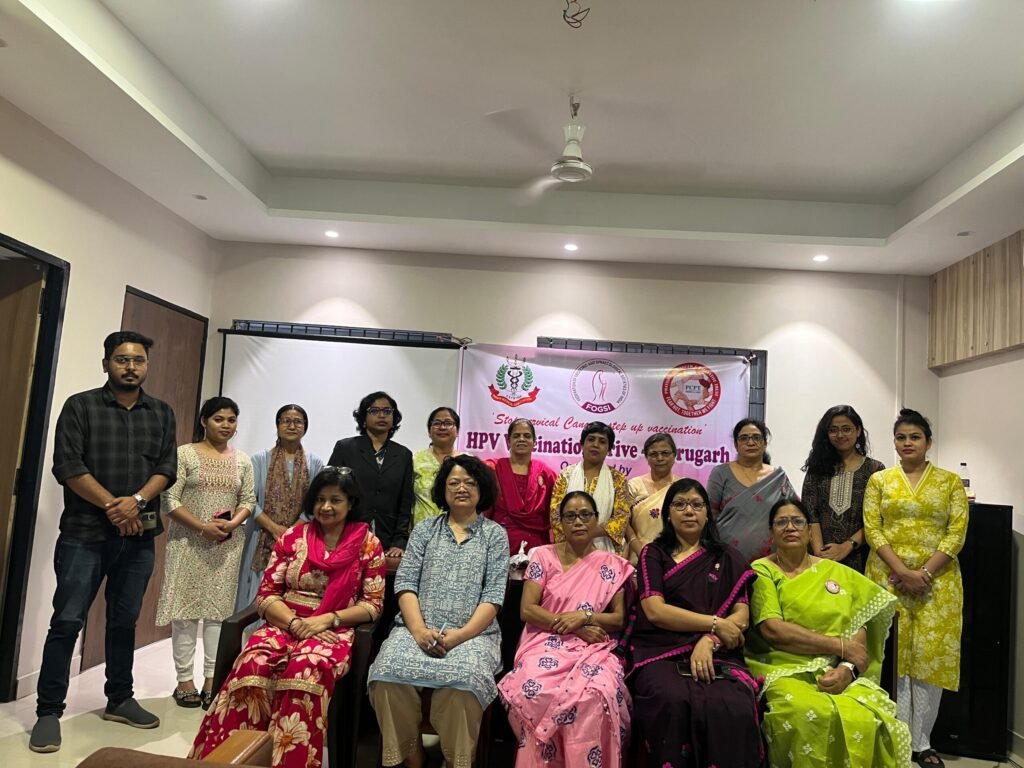
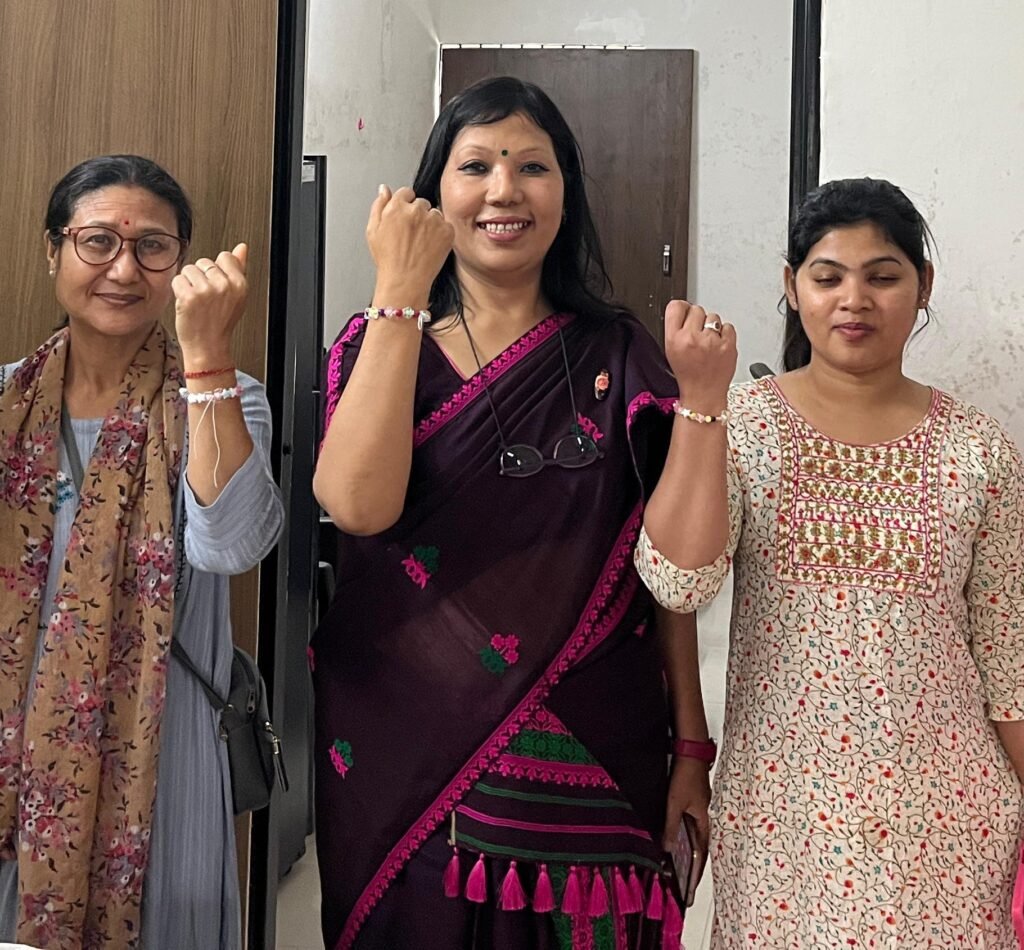
Assam’s Pratishruti Trust leads India’s Largest NGO-Driven HPV VaccinaIn a landmark achievement for public health in Northeast India, the Pratishruti Cancer and Palliative Trust has successfully facilitated the vaccination of over 3,000 individuals against Human Papillomavirus (HPV) in just seven months. This initiative stands as the largest HPV vaccination coverage by a non-profit organisation in India within such a short timeframe, marking a decisive step toward eliminating cervical cancer in the region.
Cervical cancer remains the second most common cancer among Indian women, claiming a life every eight minutes. While 99% of cases are linked to high-risk HPV strains (such as 16 and 18), vaccination rates have historically remained below 1%. The movement was sparked by a 2025 survey conducted by Dr Gayatri Gogoi, a renowned cancer researcher and Professor at Assam Medical College and Hospital (AMCH), Dibrugarh and MBBS student Sadiqah Kouser. Their research among 160 students in Upper Assam revealed a startling reality: while nearly 90% of unvaccinated respondents were willing to get the shot, high costs and lack of opportunity were the primary barriers.
Armed with these findings, Dr Gogoi conceptualised a community-driven project in partnership with Pratishruti Trust. The mission was clear: provide life-saving vaccines at half the hospital market price and bridge the awareness gap through rigorous Q&A sessions.
The drive was flagged off on March 6 at the IMA House in Dibrugarh. Since then, it has expanded across Assam, reaching Guwahati, Dhemaji, Jorhat, Sibsagar, Diphu, Nalbari, Tezpur, Nagaon, Morigaon, and Tinsukia. The initiative has been bolstered by a network of medical professionals, including Dr Rina Ahmed, Dr Gourangie Gogoi, and Dr Anjan Rajkonwar, alongside dedicated district coordinators.
“Most cancers cannot be prevented, but cervical cancer has a definitive answer in the HPV vaccine. Our mission is to ensure that geography and economy do not dictate who gets to live,” Dr Gayatri Gogoi on Thursday said.
A major turning point for the campaign has been the availability of CERVAVAC, India’s first indigenous quadrivalent HPV vaccine produced by the Serum Institute of India. Approved in 2022, CERVAVAC has significantly lowered costs, making mass immunisation feasible.
The trust has also prioritised social equity, providing free vaccinations to daughters of cervical cancer patients and families from economically weaker sections. This grassroots momentum aligns with the 2024 Union Budget’s goal of prioritising HPV vaccination for girls aged 9–14.