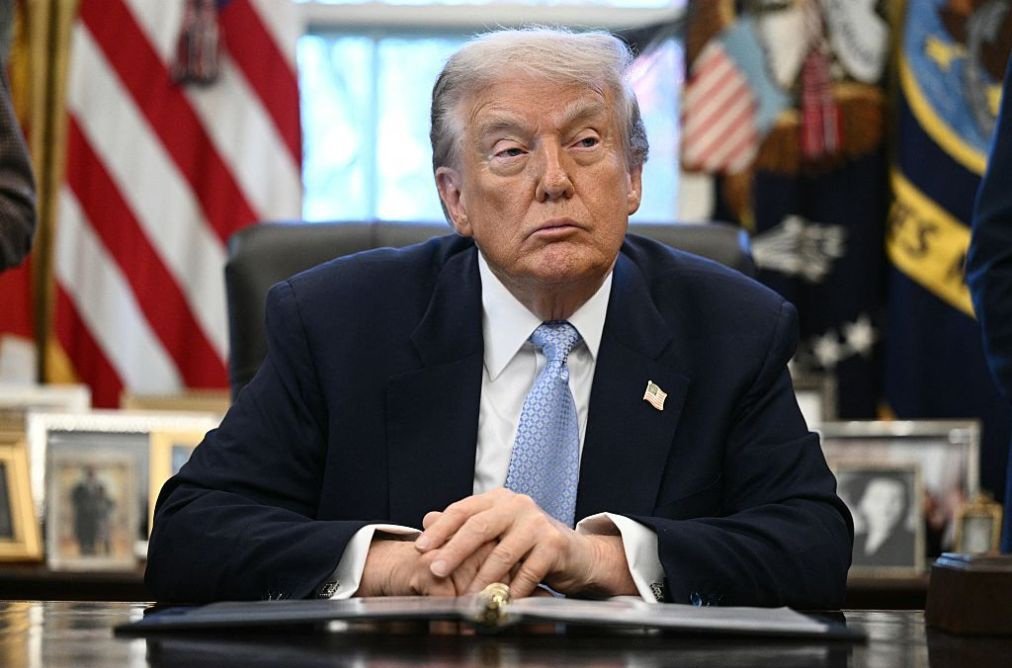






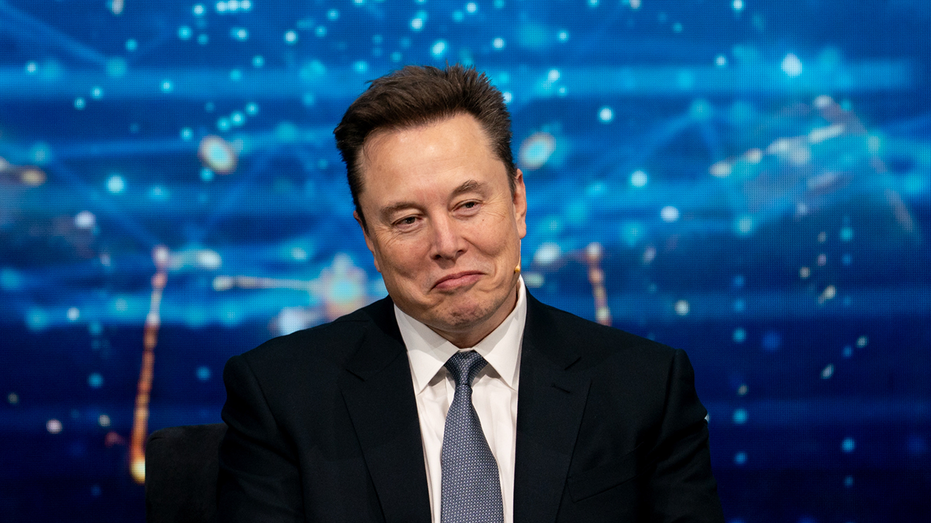
In a bold vision of the future, tech magnate Elon Musk has declared that rapid advancements in artificial intelligence (AI) and humanoid robotics will fundamentally reshape society, making work optional and eliminating poverty. Musk made these comments during his appearance at the US-Saudi Investment Forum in Washington, an event that also featured US President Donald Trump and Saudi Crown Prince Mohammed bin Salman.
Sharing a video of his speech on his social media platform X, Musk captioned the clip with the provocative statement, “Poverty is an engineering problem.” He elaborated that in the “long term”—which he defined as roughly 10 to 20 years—the nature of labour will be transformed entirely.
“My prediction is that work will be optional,” Musk stated. “It will be like playing sports or video games… the same way you could go to the store and buy vegetables, or you could grow them in your backyard. It’s much harder, but some people still do it because they like growing vegetables.”
Musk argued that the economic impact of AI and robotics would be so profound that it would render currency obsolete. “Money will stop being important or relevant in the future. Currency becomes irrelevant,” he claimed. He positioned this technological shift as the ultimate solution to global economic disparity. “AI and humanoid robots will actually eliminate poverty,” Musk asserted. “There’s only basically one way to make everyone wealthy, and that is AI robotics.”
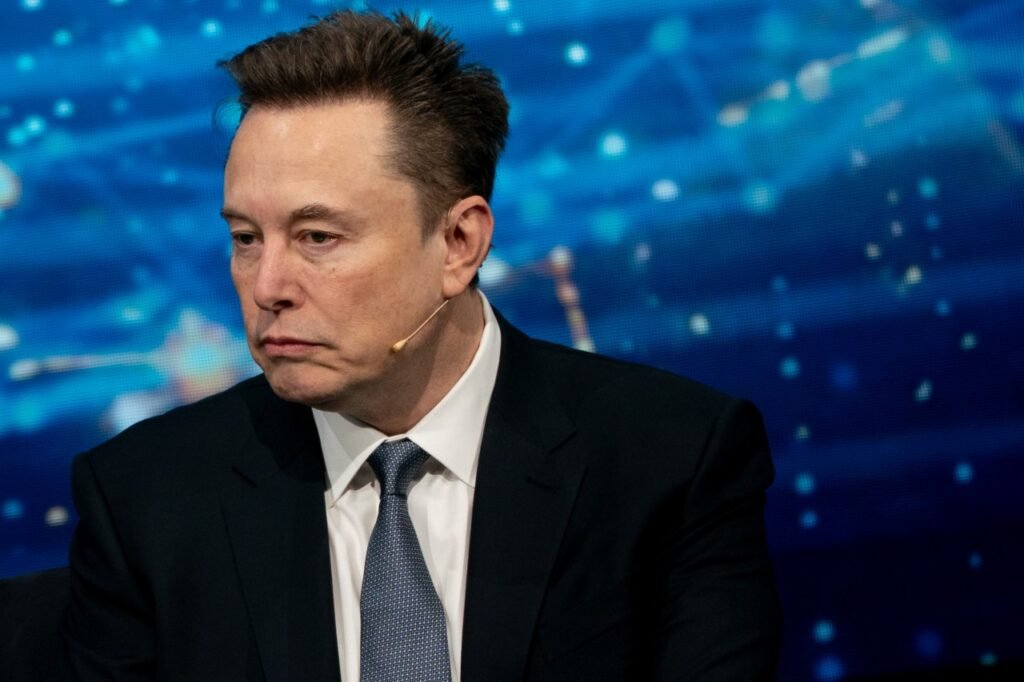
The forum highlighted the Trump administration’s strategic focus on AI, with President Trump announcing intentions to build “the largest, most powerful, most innovative AI ecosystem in the world.” The initiative is supported by significant Saudi investment pledges.
However, not all tech leaders presented such a definitive vision. Nvidia co-founder Jensen Huang, who was also present, offered a more measured perspective. While agreeing that AI would change every job, he stopped short of predicting the end of work. “Everybody’s jobs will be different. I think that’s for sure,” Huang remarked, suggesting an evolution rather than an elimination of the workforce.