





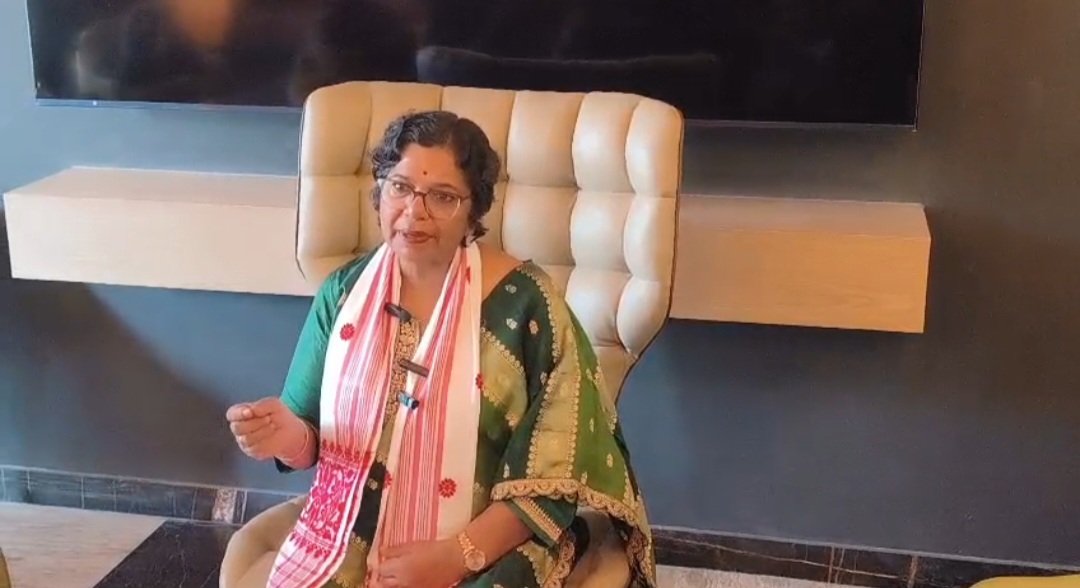
Human trafficking is mostly done through railway routes, with traffickers exploiting the vast network of trains and stations to transport victims right under the noses of unsuspecting passengers and authorities. This was revealed by Vijaya Rahatkar, Chairperson of the National Commission for Women (NCW), during a media address in Dibrugarh on Thursday.
Rahatkar said that human trafficking has been occurring in some parts of Assam. She added that the NCW is treating the issue with utmost gravity and implementing measures to combat the crime.
“The National Commission of Women has been working seriously to stop the trafficking of women and child. We have seen that the trafficking happens mostly through rail route. Trafficking happens in front of your eyes but you might not recognise it. Traffickers operate in plain sight, making detection particularly challenging. This is why all stakeholders working on anti-trafficking cases must have proper training and awareness,” Rahatkar stated.
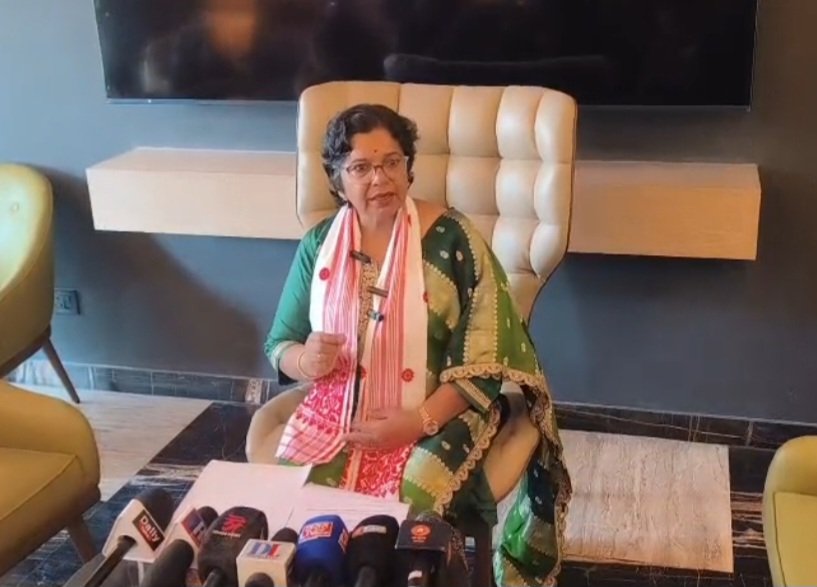
The NCW chief drew parallels with other states facing similar crises, noting that Jharkhand has been witnessing large-scale trafficking operations. She stressed the urgent necessity to dismantle these criminal networks that prey on vulnerable women and children.
She mentioned that the NCW organised a conference on anti-human trafficking in Dibrugarh on Wednesday, in collaboration with Railway Police Force (RPF) personnel. The initiative aimed to create a unified front against traffickers by bringing together all stakeholders who operate within the railway ecosystem.
Rahatkar emphasised the critical role railway employees can play in identifying and preventing trafficking. “Those who are working in railways are very important and they can play a crucial role to stop human-trafficking. They are our frontline eyes and ears,” she said, calling for collective action from RPF staff, service providers, shopkeepers inside railway stations, cart pullers, coolies, and NGOs working in railway premises.
A major concern raised during the address was the evolving nature of trafficking networks. Rahatkar acknowledged that while agencies like the RPF, Border Security Force (BSF), Central Industrial Security Force (CISF), and state police are providing excellent support, the criminals are constantly adapting.
“The modus operandi of traffickers is changing every day, which is a significant concern for us. We are working on specialised training to help people identify traffickers and understand their changing tactics. Every individual present at a railway station can play a crucial role in preventing trafficking,” the NCW Chairperson said.
Meed some players should have bone test ( TW3 ) because they are age frauding during the tournament …