



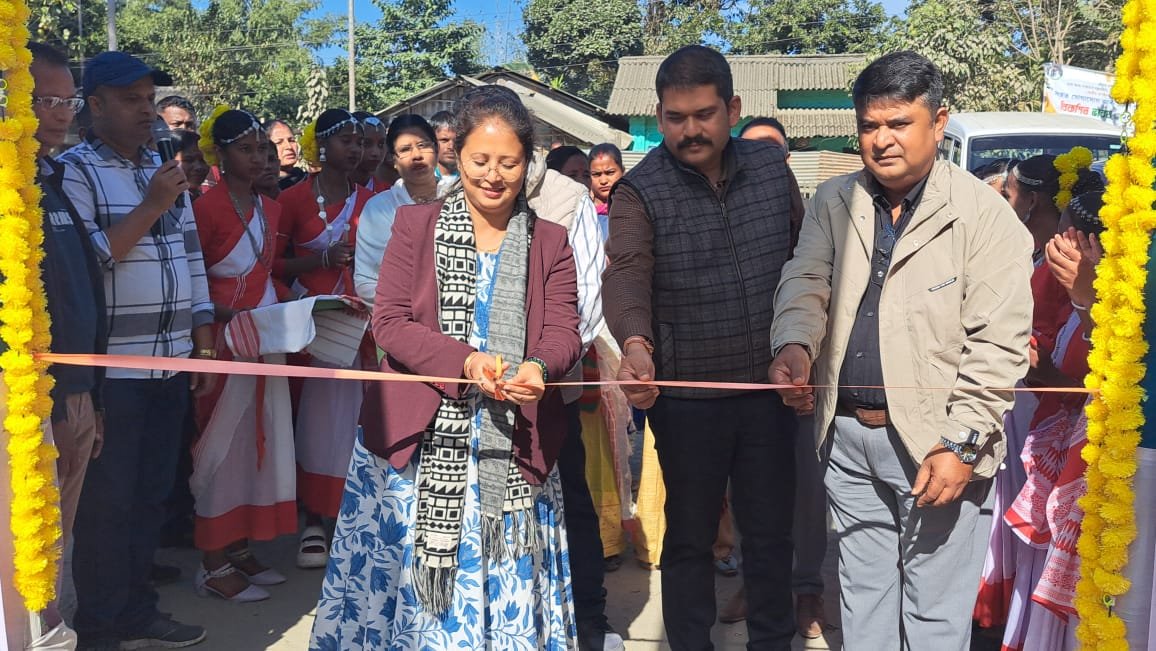
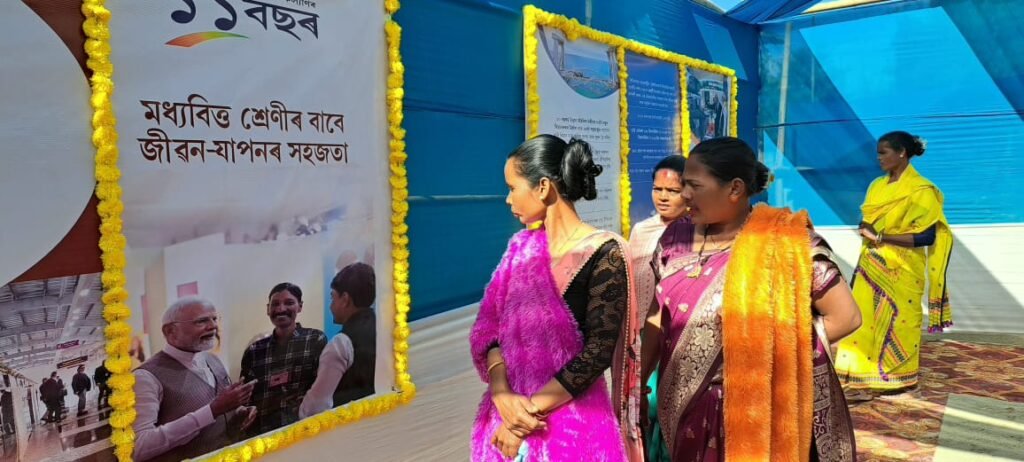
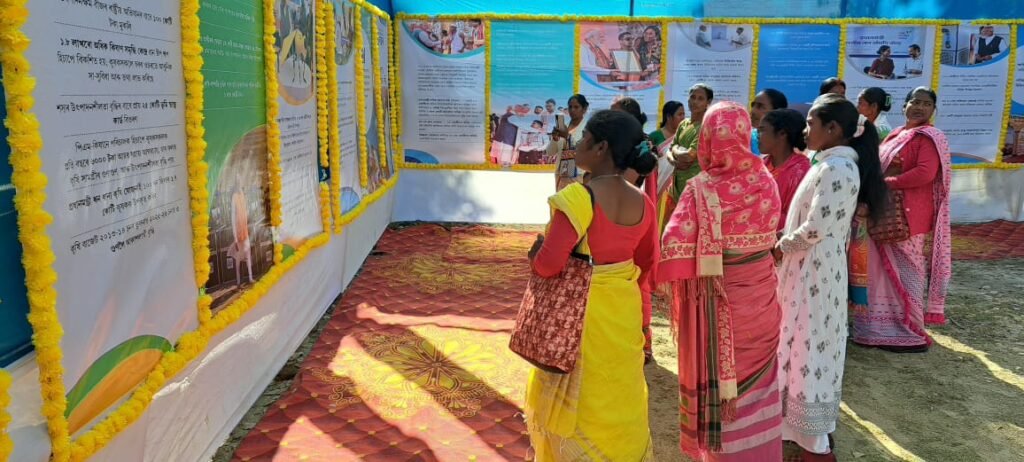
The Central Bureau of Communication (CBC), Field Office, Dibrugarh, in association with Assam Branch Indian Tea Association (ABITA) Zone-1, organised a two-day photo exhibition on the theme “Viksit Bharat@2047” at Bokel Tea Estate in Dibrugarh on Monday, focusing on government welfare schemes and the vision of a developed India by 2047.
The programme aimed to reach tea-garden communities with information on flagship policies, financial inclusion, health, and skill-development initiatives.
Inaugurating the exhibition, Nandita Baruah, District Development Commissioner, Dibrugarh, said the Government has launched “numerous welfare schemes that touch every section of society, from farmers and workers to women, youth and senior citizens.” She stressed that these initiatives are “aligned with the national resolve to transform India into a developed nation by 2047,” urging residents of tea estates to proactively avail themselves of scheme benefits.
Appreciating CBC’s outreach, she added, “Such exhibitions at the grassroots ensure that information does not remain confined to the cities but reaches people who need it the most.”
Madhurjya Barooah, Secretary, ABITA Zone-1, welcomed the initiative to hold the programme inside a tea estate, calling it “a highly effective way to address issues like tuberculosis, drug addiction and HIV among plantation communities.” He observed that awareness on financial literacy and skill-development could significantly empower tea-garden workers, especially women and students. “Bridging the information gap is essential if our youth are to participate meaningfully in the vision of a developed India,” Barooah said, encouraging young people to stay informed about various government schemes and opportunities.
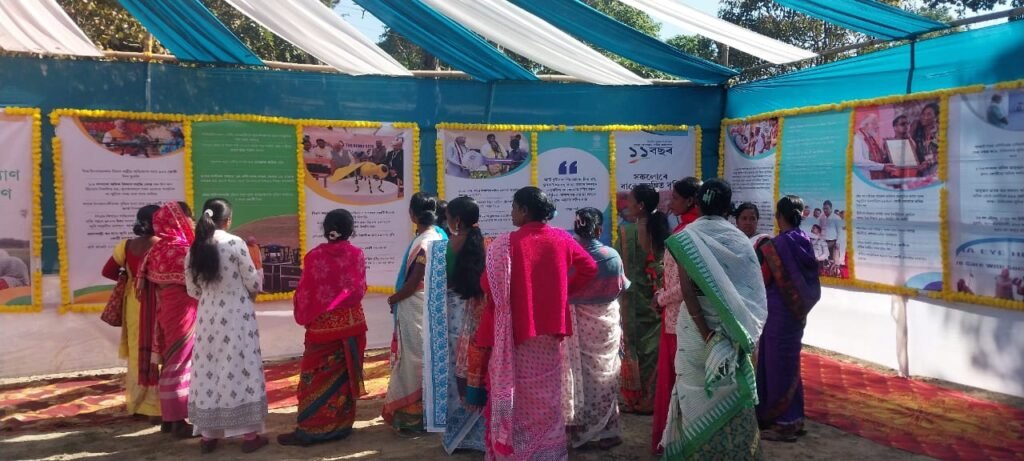
Achut Nath, Manager of Bokel Tea Estate, said awareness initiatives such as this exhibition “help our workers understand schemes related to financial inclusion, vocational training and health, which directly impact their lives.” As part of the event, invited experts conducted interactive sessions on key thematic areas, engaging participants through question–answer rounds. Officials noted that such participatory activities deepen understanding and encourage communities to seek services available through government departments.
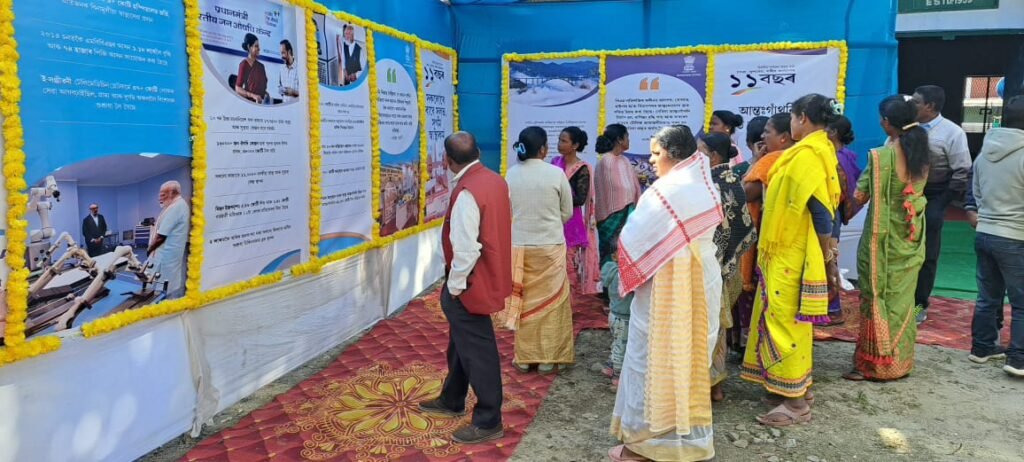
Ravi Barua, District AIDS Control Officer, Dibrugarh, led a session on drug addiction and HIV, underlining the “critical role of families and communities in preventing substance abuse and supporting those affected.”
Bishnu Gohain from the TB Department of Assam Medical College spoke on the ‘TB Mukt Bharat’ campaign, remarking that tuberculosis “not only damages health but also cuts income and can push entire families into poverty.”
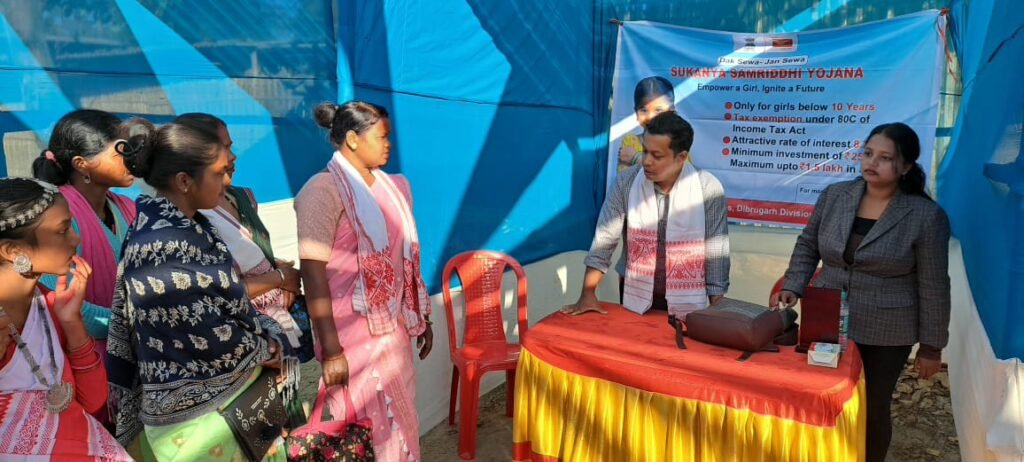
In another session, Pallab Chakraborty of Dibrugarh Head Post Office explained various financial inclusion schemes and answered queries on zero-balance accounts, Sukanya Samriddhi Yojana, Public Provident Fund and Aadhaar linkage for availing government benefits. On-the-spot quiz competitions and cultural performances by local participants added colour to the programme, drawing enthusiastic response from students, workers and youth.