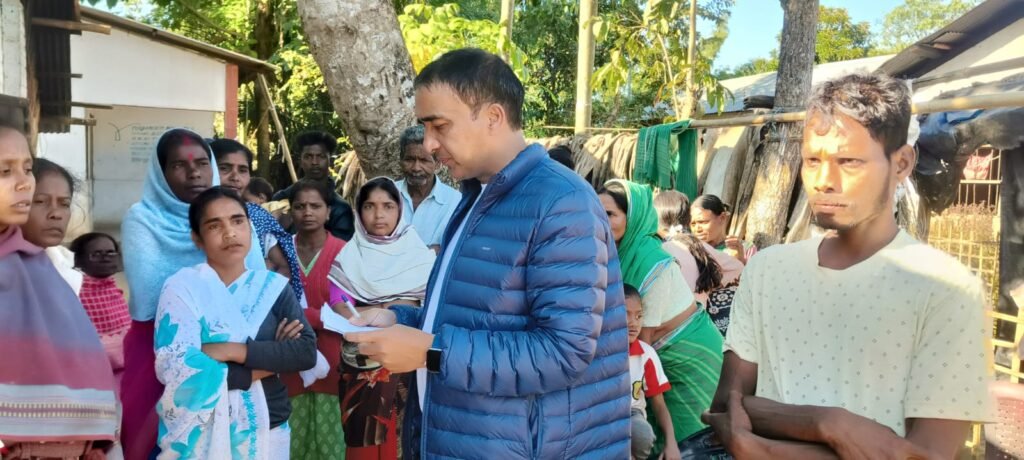






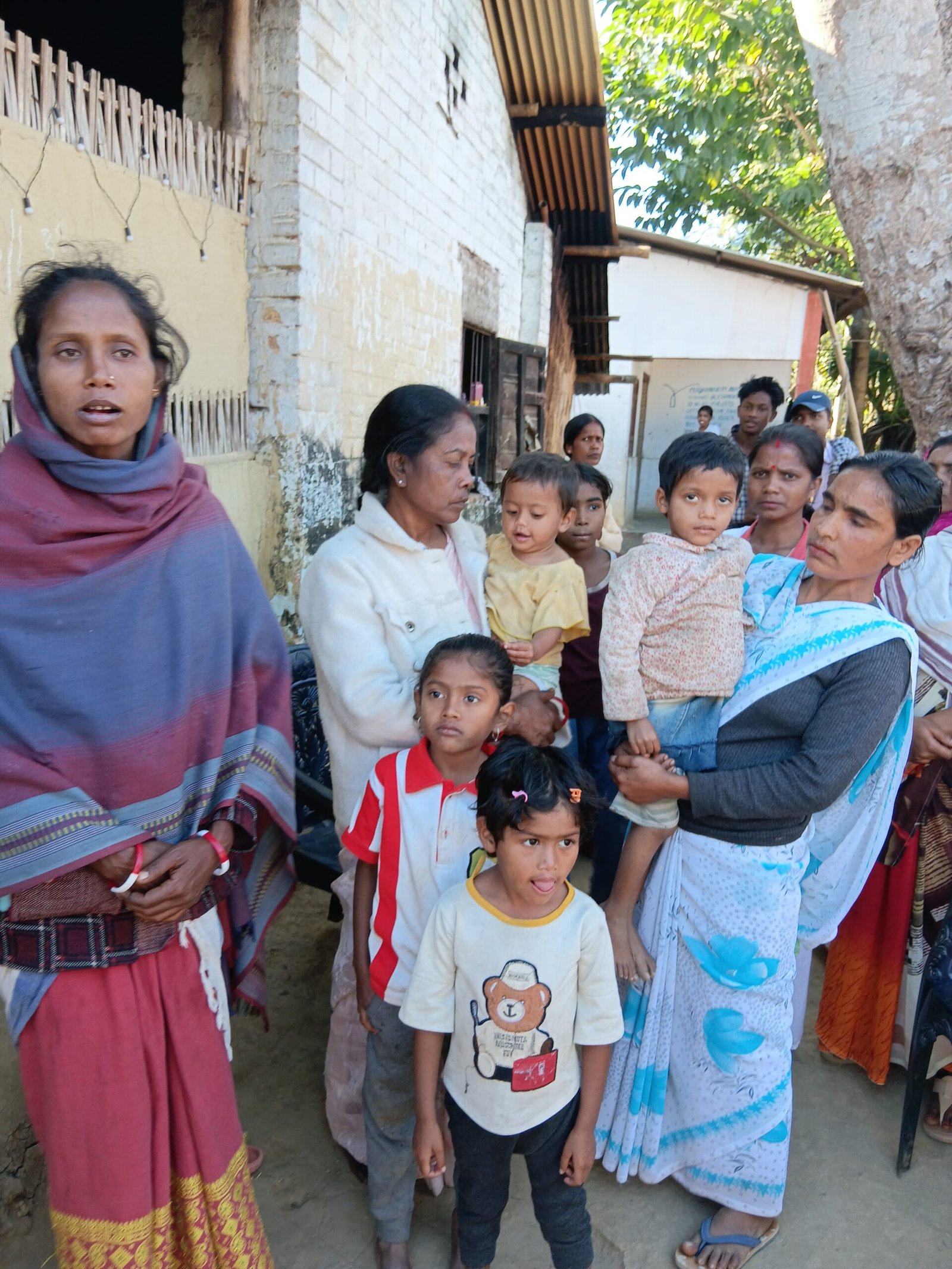
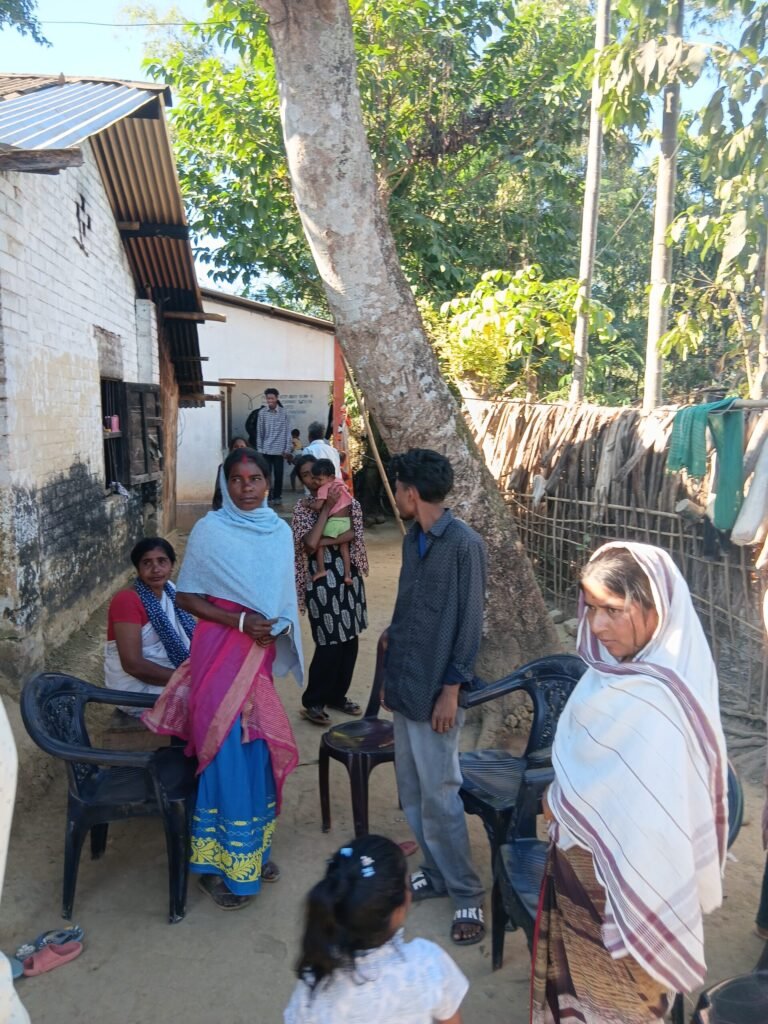
The narrow lanes of Gelapukhuri Tea Estate’s Line No 13 in Assam’s Tinsukia district lie eerily silent. Only the cries of widows and children break the stillness following a tragedy that has shattered this close-knit community. Eighteen tea garden workers from the estate now lie dead, victims of a horrific fall into a 1,000-foot gorge in Arunachal Pradesh — casualties not only of a road mishap but of an unrelenting cycle of economic despair.
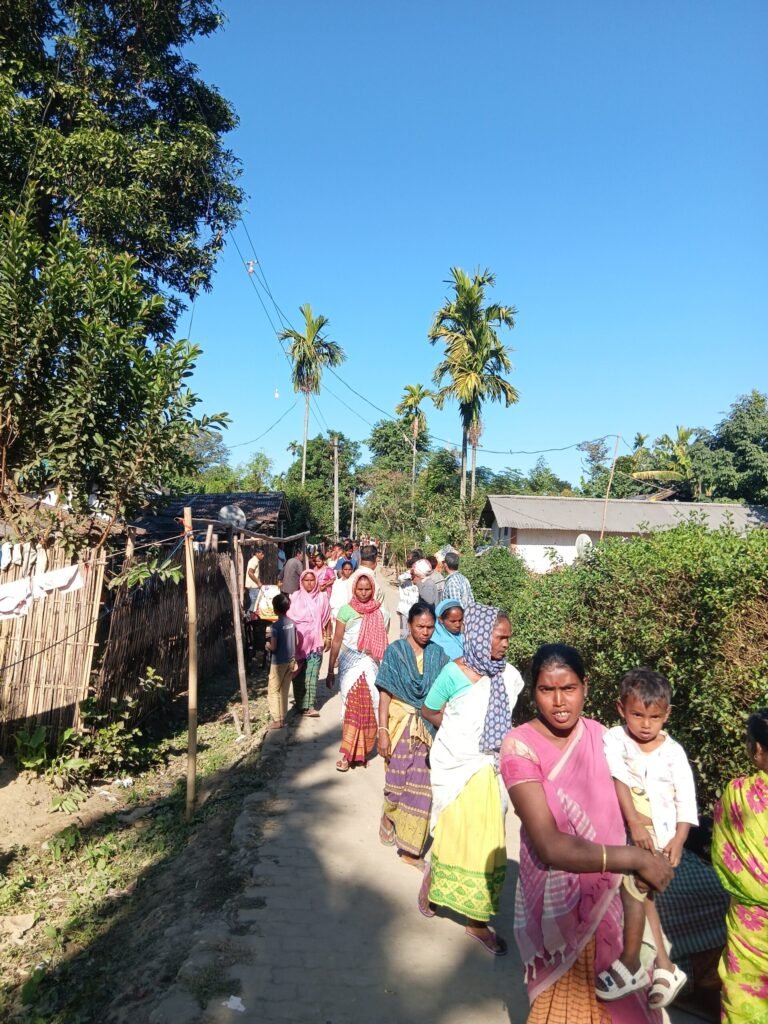
The tragedy on December 8, which killed 21 people, including three from the neighbouring Dhelaghat tea estate, has thrown light on the harsh financial reality that drives Assam’s tea labourers to such perilous choices. When their truck slipped off the treacherous Hayuliang–Chaglagam Road, it was not just a journey that ended — it was the loss of hope for families already weighed down by meagre incomes and rising living costs.
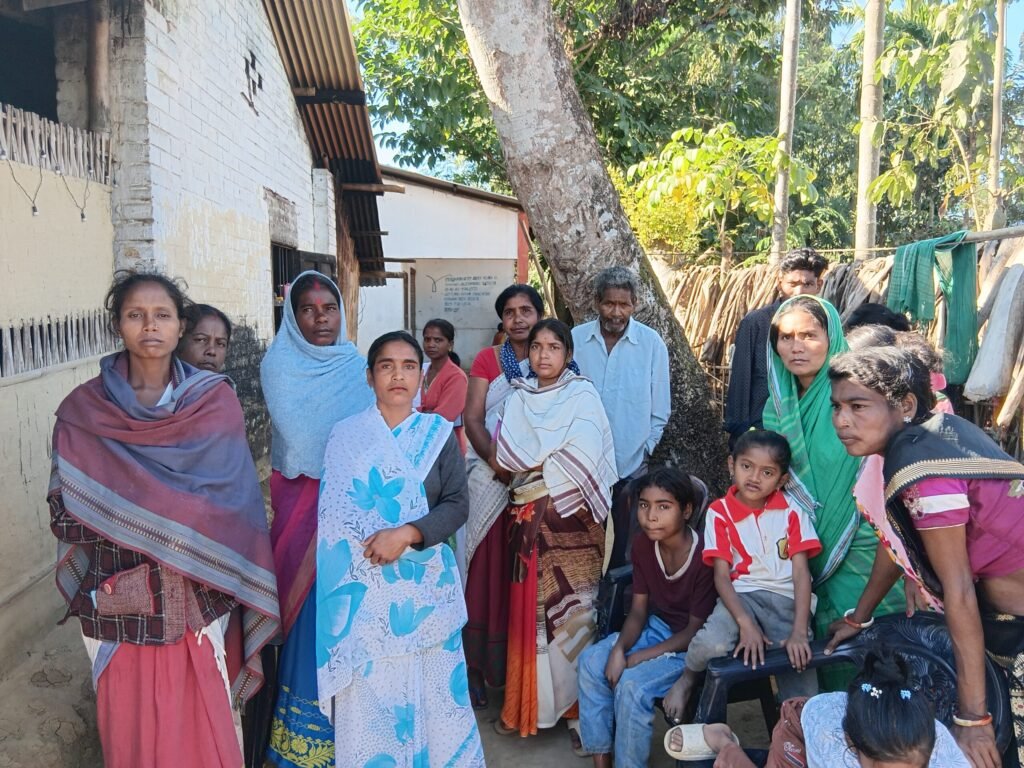
“My brother worked as a casual labourer in the tea estate earning only Rs 250 per day — barely enough to feed his six-member family. The job was temporary and uncertain,” said Bidya Chatriya, whose younger brother Dhiren (32) died in the accident. “He was told that construction work in Arunachal Pradesh would pay Rs 700 daily along with food and lodging. That promise made many of our youths take the risk.”
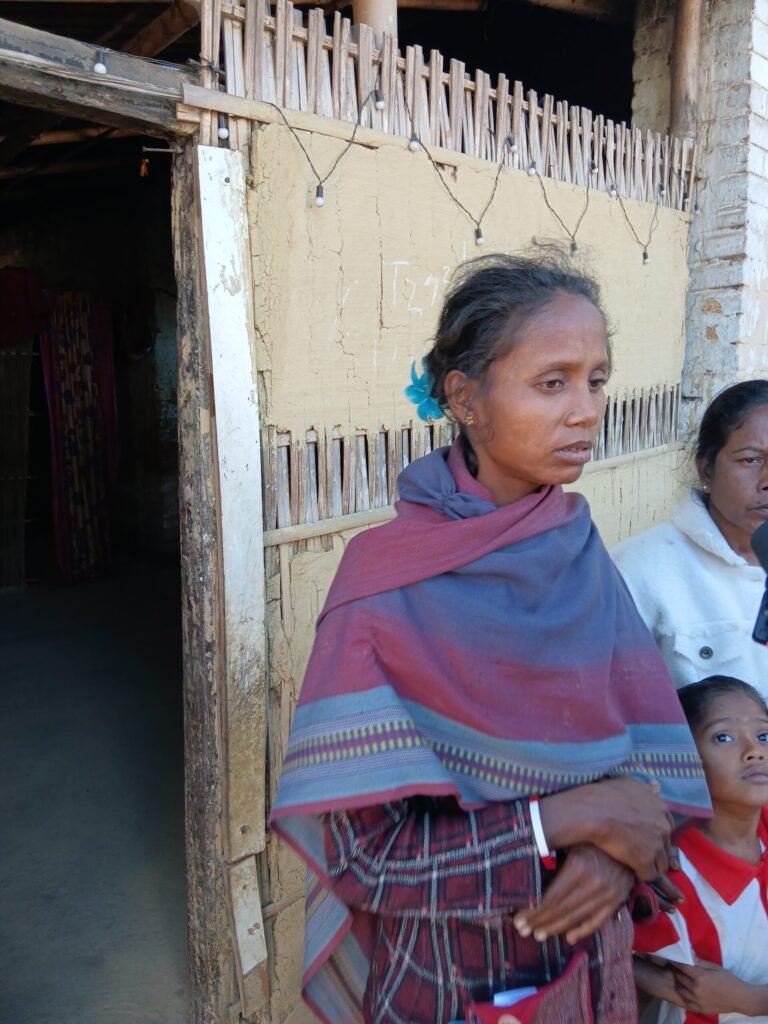
At Rs 250 for irregular work, tea labourers like Dhiren struggle for survival. The offer of Rs 700 a day — nearly triple their earnings — with free meals seemed a chance to break the cycle of poverty. It was a journey taken not by choice but by necessity across dangerous mountain terrain, in an overcrowded vehicle unfit for the journey. Dhiren’s wife Rosemary Chatriya, 30, now faces a bleak future with four young daughters aged six, four, two and one. Her trembling voice recounted their last conversation: He left home around 8.30 am, saying he would return the next day. But he never came back.”
The tragedy starkly exposes how industrial growth continues to bypass tea estate communities. Adjacent to Gelapukhuri stands the Plastic Park, an offshoot of the Brahmaputra Cracker and Polymer Ltd (BCPL) — a supposed hub of local employment that has offered little to the labourers next door.
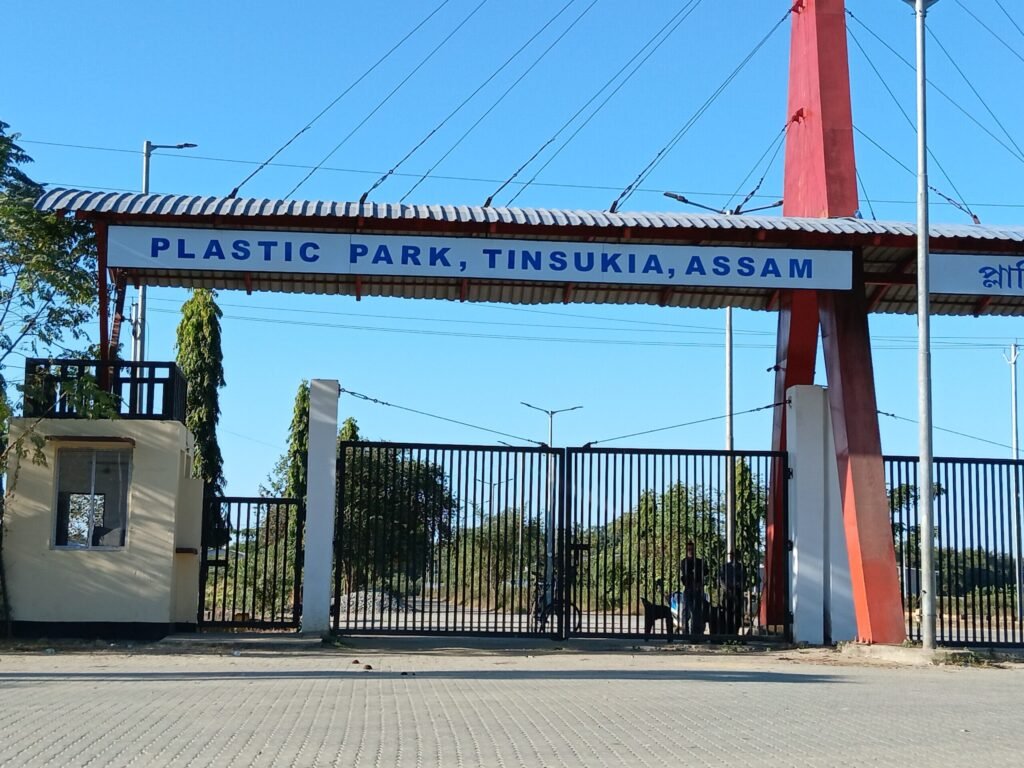
“The Plastic Park is just beside our estate, but very few of us got jobs there,” alleged Bidya. “Most workers are hired from outside, and even those from our estate were paid only Rs 200 per day.” This frustration resonates across families. The promise of local industrialisation, they say, has remained hollow — leaving thousands trapped in poverty while developments around them bring no tangible benefit.
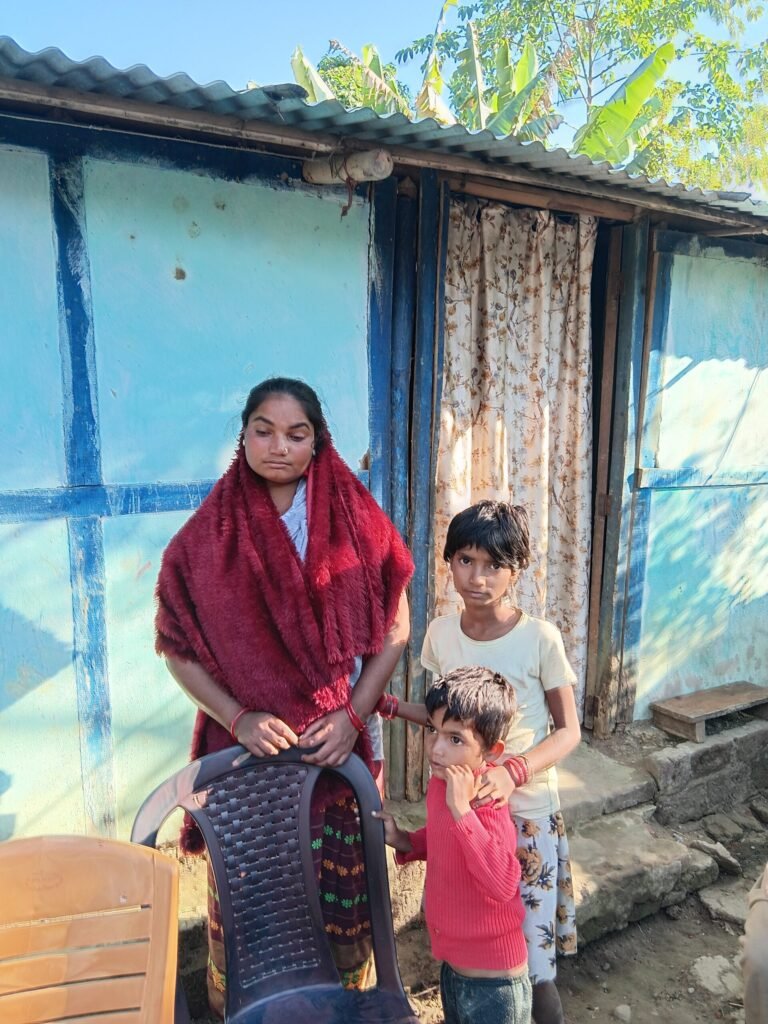
Arjun Kumar (37), one of the victims, had briefly worked at the Plastic Park before quitting. His widow Anita Kumar (30) recalled, “He was paid just Rs 200 per day from 7 am to 5 pm. It was hard labour with no proper wages. That’s why he left.” Now, with three children aged 13, nine, and five, she faces an uncertain struggle for survival.
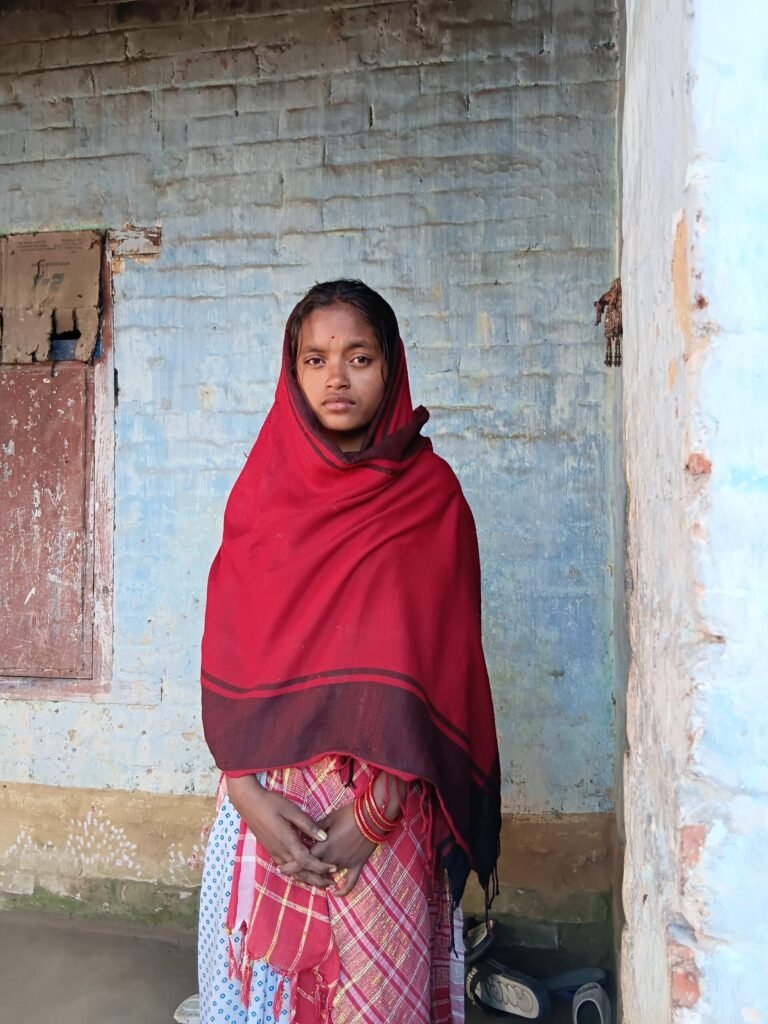
Among the dead was Agar Tanti (24), newly married only 15 days before setting out on his ill-fated journey. His young bride Mala (18) is still in shock. “He said he would come back the next day,” she whispered, unable to accept that he never will.
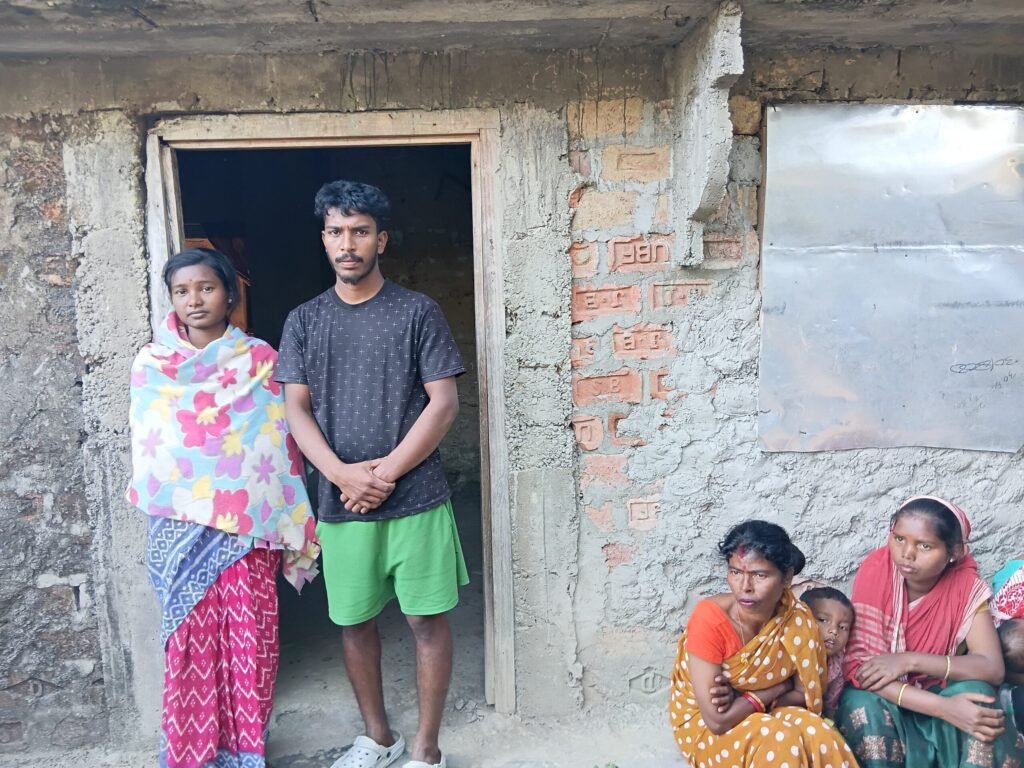
Tragedy runs deep in the estate’s narrow homes. Pankaj Manki (20) went simply to “earn some extra cash,” as his brother Rajat shared. Rajani Naag (24) left behind his wife Rashmi (20), their two-year-old son, and aged parents, all engulfed in grief.

Deep Gowala (28) had promised his wife Dipika and five-year-old child that he would return soon — a promise fate denied him. The accident took place late Monday night, but it came to light only on Wednesday when Budheswar Deep (22), gravely injured, managed to climb out of the gorge and reach a camp of the Border Roads Task Force.
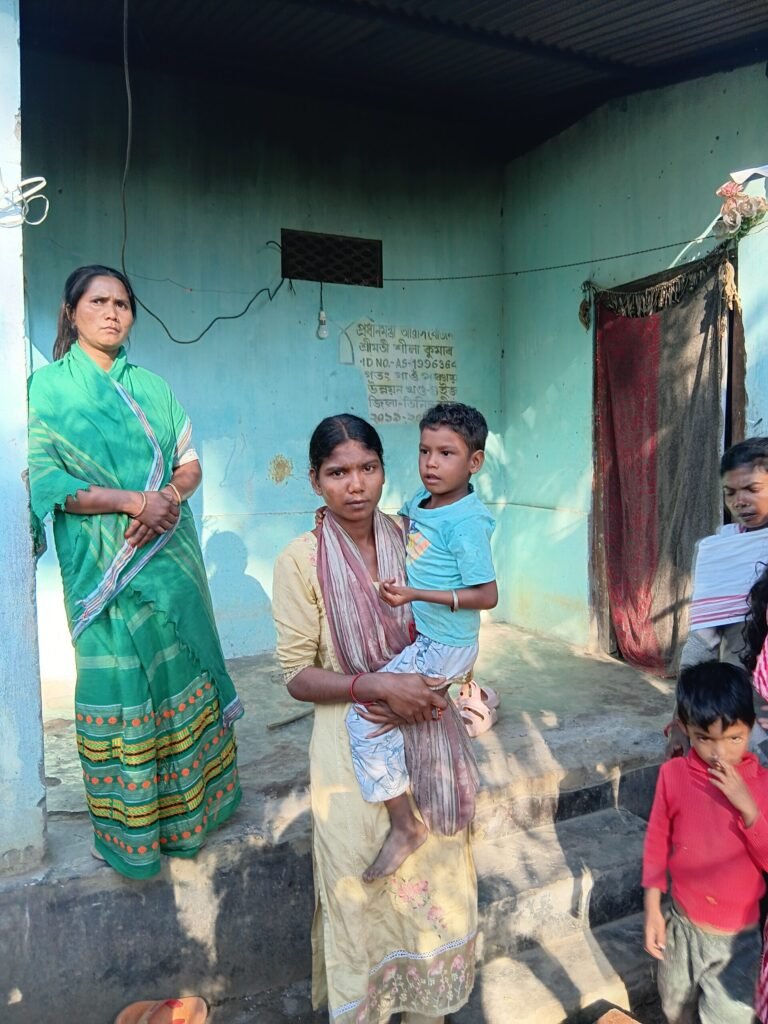
Budheswar Deep was rescued and rushed to Assam Medical College and Hospital in Dibrugarh, becoming the lone survivor of the tragedy. Of the 22 passengers, 19 bodies have been recovered, while search operations continue for the remaining victims. This is not the first time Gelapukhuri Estate has faced such unbearable loss.
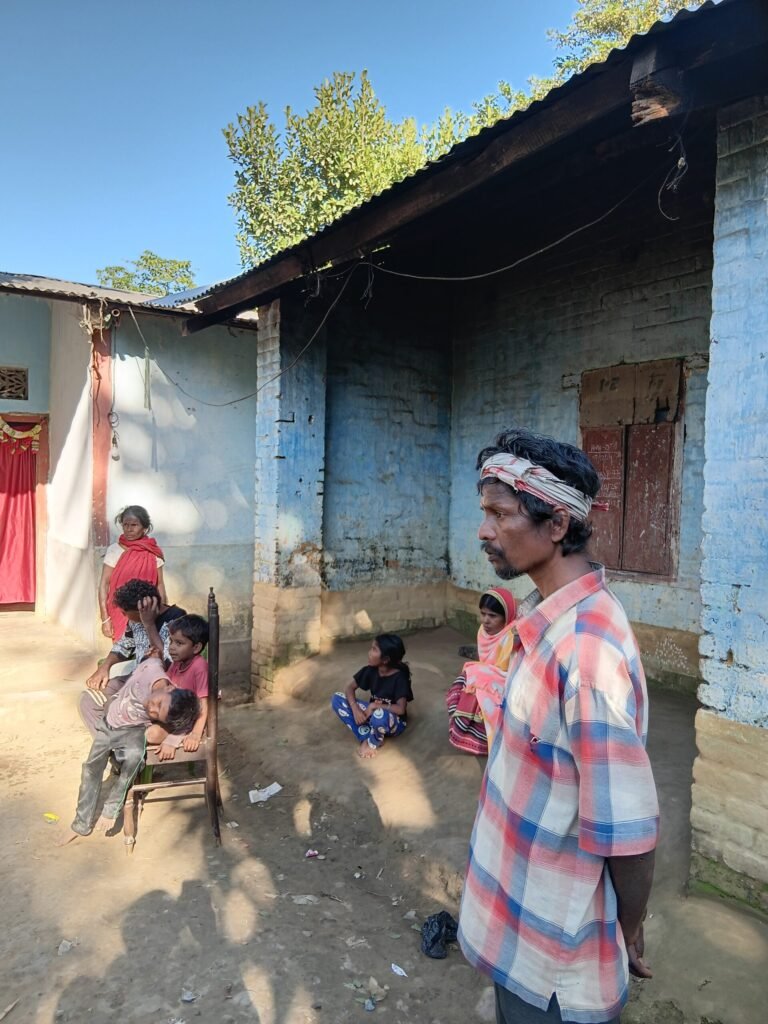
In 2009, six workers from the same settlement were killed in another road accident in Panitola, Chabua, while heading toward Arunachal Pradesh for work — a haunting echo of history ignored. As the coffins return one by one, grief hangs heavy over Gelapukhuri. The estate, once a place of dreams, now stands as a grim reminder of systemic neglect — where survival often means gambling with death; where ‘development’ neighbours despair and where the price of poverty is paid in human lives lost on perilous roads far from home.