






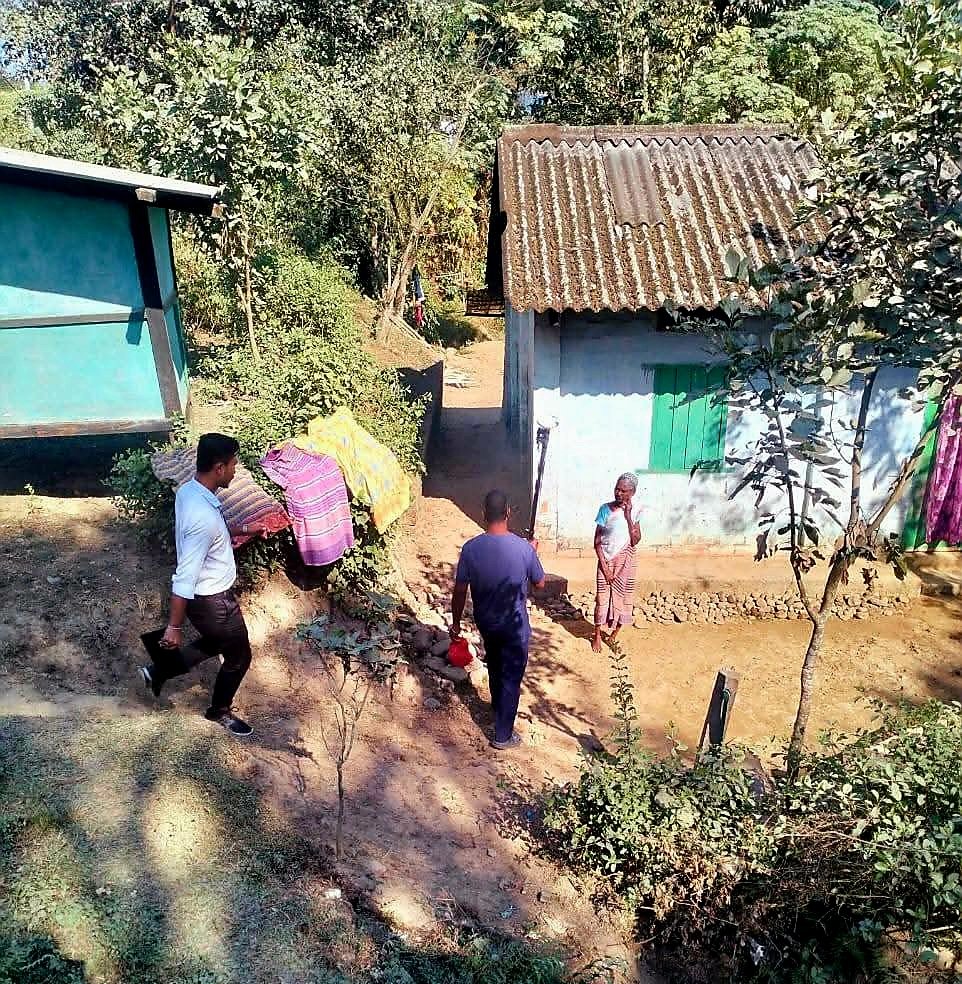
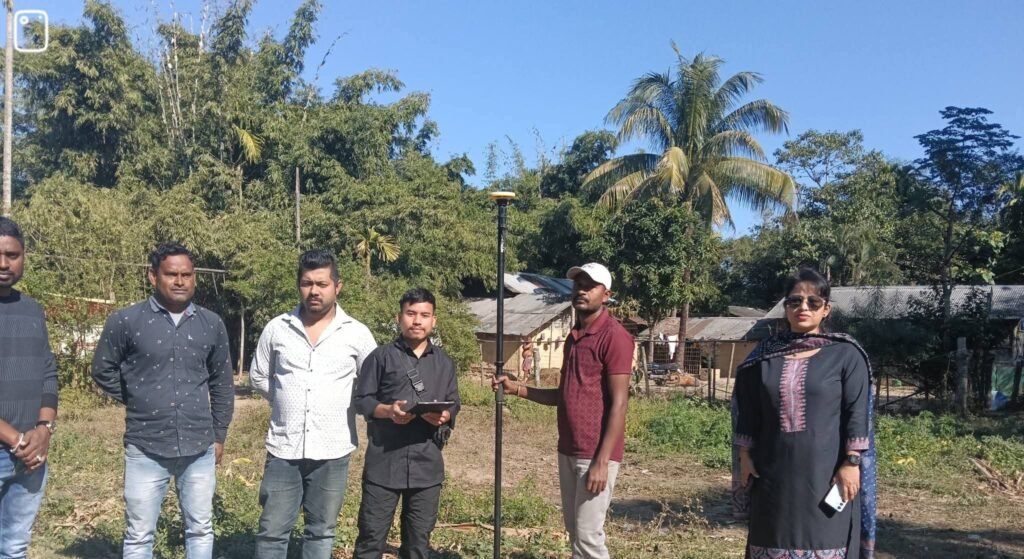
Survey work to grant formal land rights to tea garden workers commenced in labour lines across various tea estates in Tinsukia district on Friday. This rapid deployment follows the passage of the historic Assam Fixation of Ceiling on Land Holding (Amendment) Bill, 2025 by the state legislative assembly on November 28.
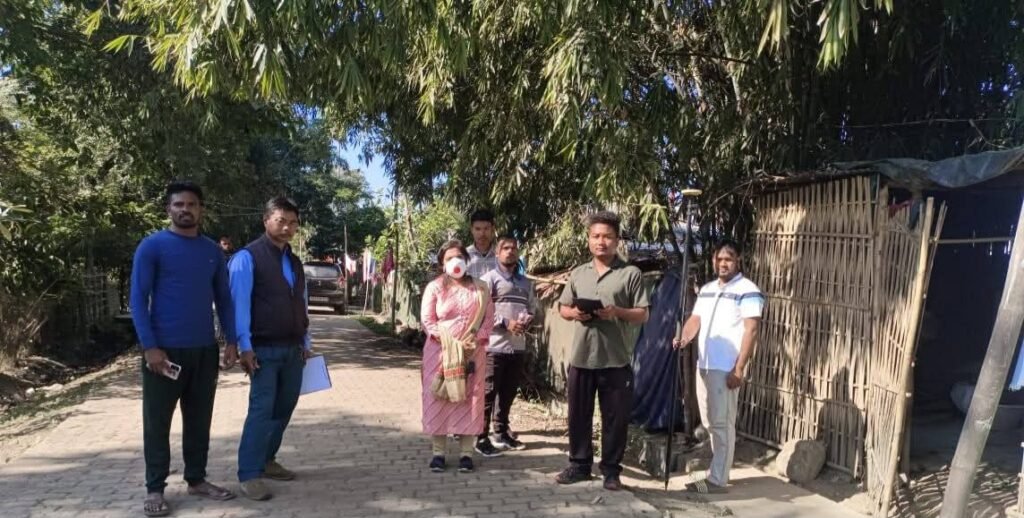
Tinsukia, which holds the state’s second-highest number of registered big tea gardens with 122 estates, is a pivotal region for the reform, which aims to benefit approximately 3,33,486 worker families statewide.
The ground survey was launched a day after a crucial preparatory meeting on Thursday at the Tinsukia District Commissioner’s office. The session, chaired by District Commissioner Swapneel Paul, included Additional Commissioner Sanghamitra Baruah, Assistant Commissioner Bhaskar Mili, all Revenue Circle Officers (COs), and tea garden managers.
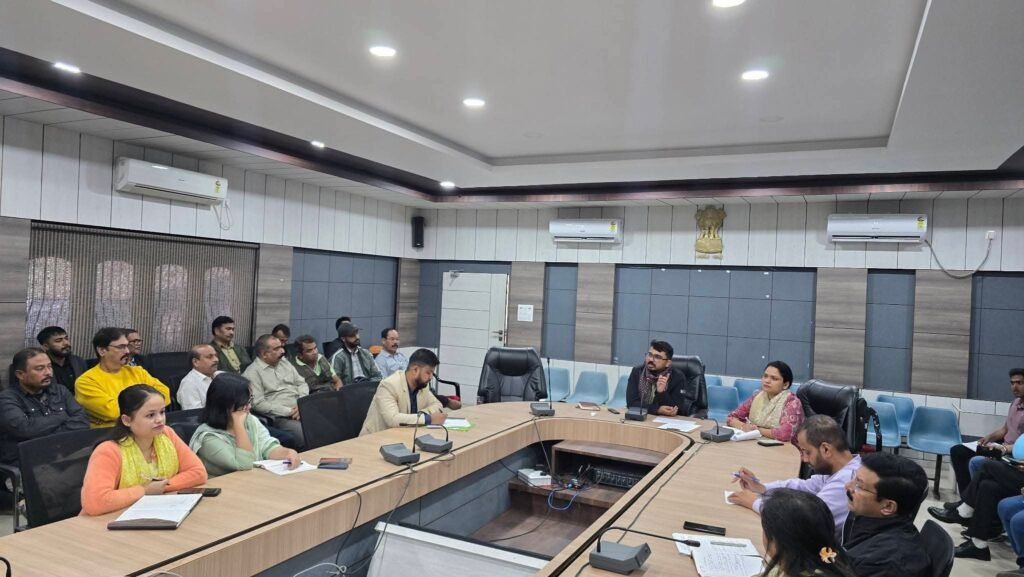
“This is a transformative moment for tea garden workers who have been living in labour lines for generations. We are committed to ensuring that this process is completed efficiently and transparently,” District Commissioner Swapneel Paul stated.
During the meeting, DC Paul issued firm directives, instructing authorities of each garden to submit comprehensive details of all employed workers and the exact extent of land they currently occupy, at the earliest. To ensure accuracy and prevent delays, Revenue Circle Officers were also instructed to conduct immediate, independent inspections to verify the submitted information.
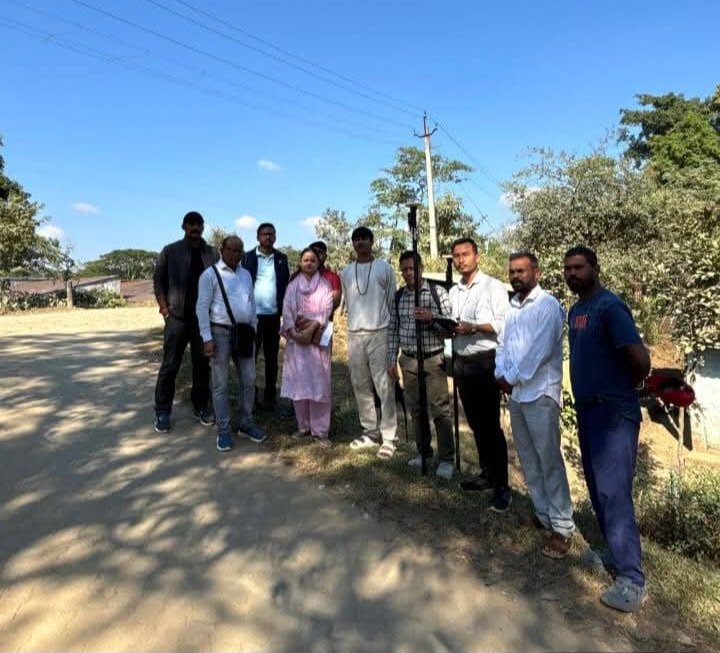
“We have issued clear directives to all stakeholders. The tea garden managements must cooperate fully in providing accurate data, and our revenue officials will conduct thorough ground-level surveys to ensure every eligible family receives their rightful land patta,” the District Commissioner added.
The landmark amendment bill ensures that tea garden workers living in labour lines will receive the legal land deeds (pattas) for the plots they occupy, thereby addressing historical marginalisation. To safeguard the community’s interests, the deeds include specific conditions: the land cannot be sold for 20 years, and thereafter, can only be transferred to another tea garden worker family.
This initiative, which allows the state to resume labour line land and settle it exclusively with verified households, marks a major step toward ensuring the economic security and dignity of Assam’s tea garden communities.