






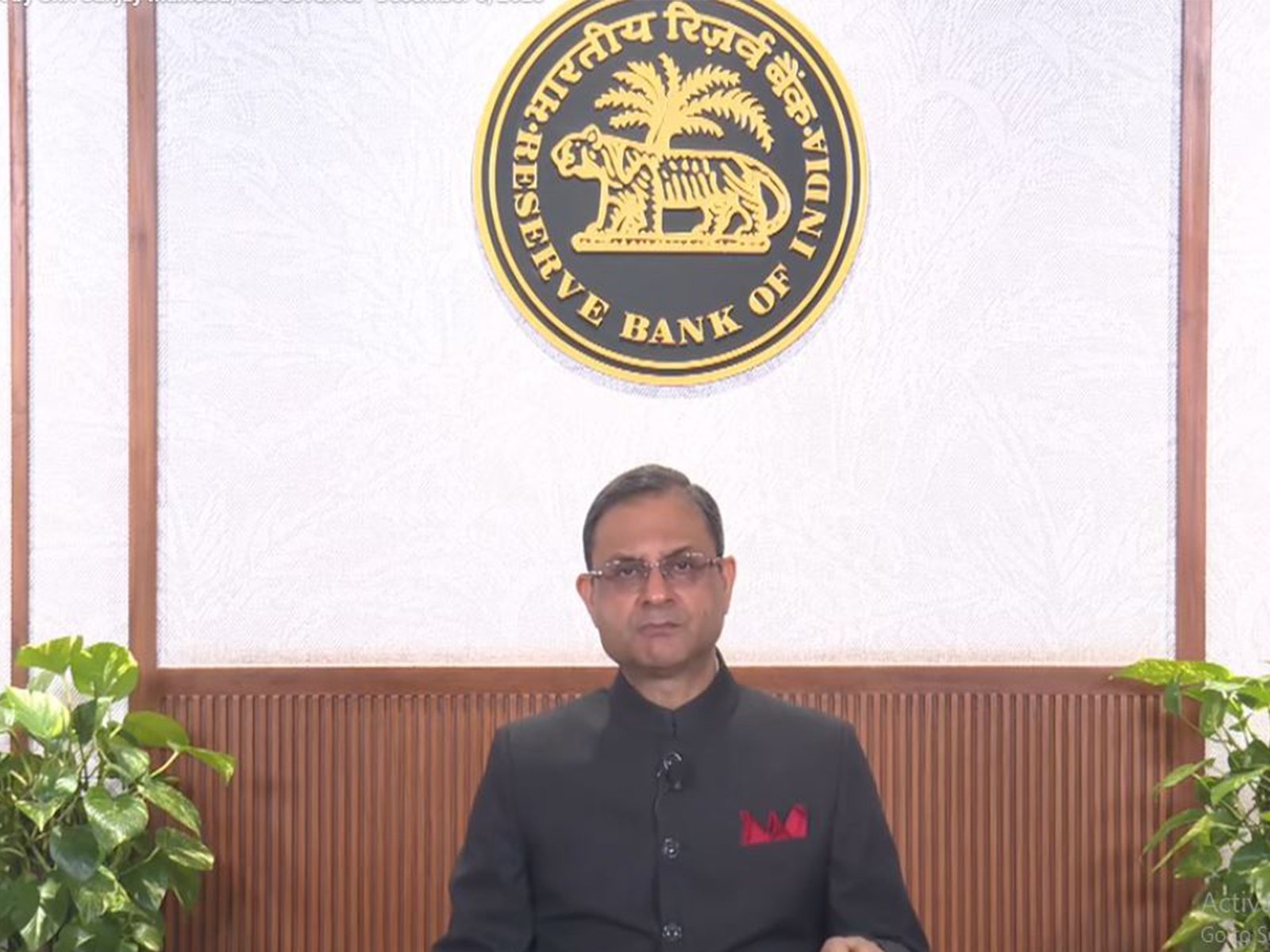
In a widely anticipated move to provide a further boost to economic activity, the Reserve Bank of India (RBI) on Friday announced a reduction in the benchmark repo rate by 25 basis points (bps), bringing it down to 5.25%.
The Repo Rate, short for Repurchase Agreement Rate, is the key interest rate at which the Reserve Bank of India (RBI) provides short-term loans to commercial banks against the collateral of government securities. It serves as the primary tool for the RBI to manage liquidity, control inflation, and steer economic growth. By lowering the repo rate, the central bank reduces the borrowing cost for commercial banks, which in turn encourages them to lower their lending rates for consumers and businesses, thus making loans like home and auto EMIs cheaper.
The decision was taken by the six-member Monetary Policy Committee (MPC) following its three-day deliberation, concluding on a unanimous vote. Consequently, the Standing Deposit Facility (SDF) rate was revised to 5.00%, while the Marginal Standing Facility (MSF) rate and Bank Rate now stand at 5.50%.
RBI Governor Sanjay Malhotra addressed the press, characterising the current economic scenario as a “rare Goldilocks phase” marked by robust growth alongside exceptionally benign inflation. The central bank raised India’s GDP growth forecast for the current financial year (FY26) to 7.3%, citing strong domestic momentum driven by both urban and rural demand.
The primary rationale for the rate cut is the continued and sharp moderation in retail inflation, which recently slumped to a multi-decade low of roughly 0.25%. With inflation well within the RBI’s tolerance band and the outlook remaining soft, the MPC felt there was ample policy space to pivot towards strengthening growth without risking macroeconomic stability.
The move is expected to quickly translate into cheaper borrowing costs for commercial banks, subsequently benefiting consumers and businesses. Analysts predict an immediate easing of Equated Monthly Installments (EMIs) for home, auto, and personal loans, providing relief to borrowers and spurring consumption.
”This fourth rate cut of the calendar year signals a clear commitment from the RBI to nurture the current growth cycle,” said Kavita Sharma, Chief Economist at Zenith Financials. “We expect banks to pass on this benefit swiftly, particularly in the competitive housing loan segment, providing a late-year lift to the real estate sector.”
Despite the rate cut, the MPC maintained its ‘Neutral’ policy stance, signaling that while it is currently focused on growth, it reserves the flexibility to change direction based on evolving inflation and global market conditions. The market reaction was positive, with key rate-sensitive sectors like banking, realty, and auto witnessing an immediate upswing.