





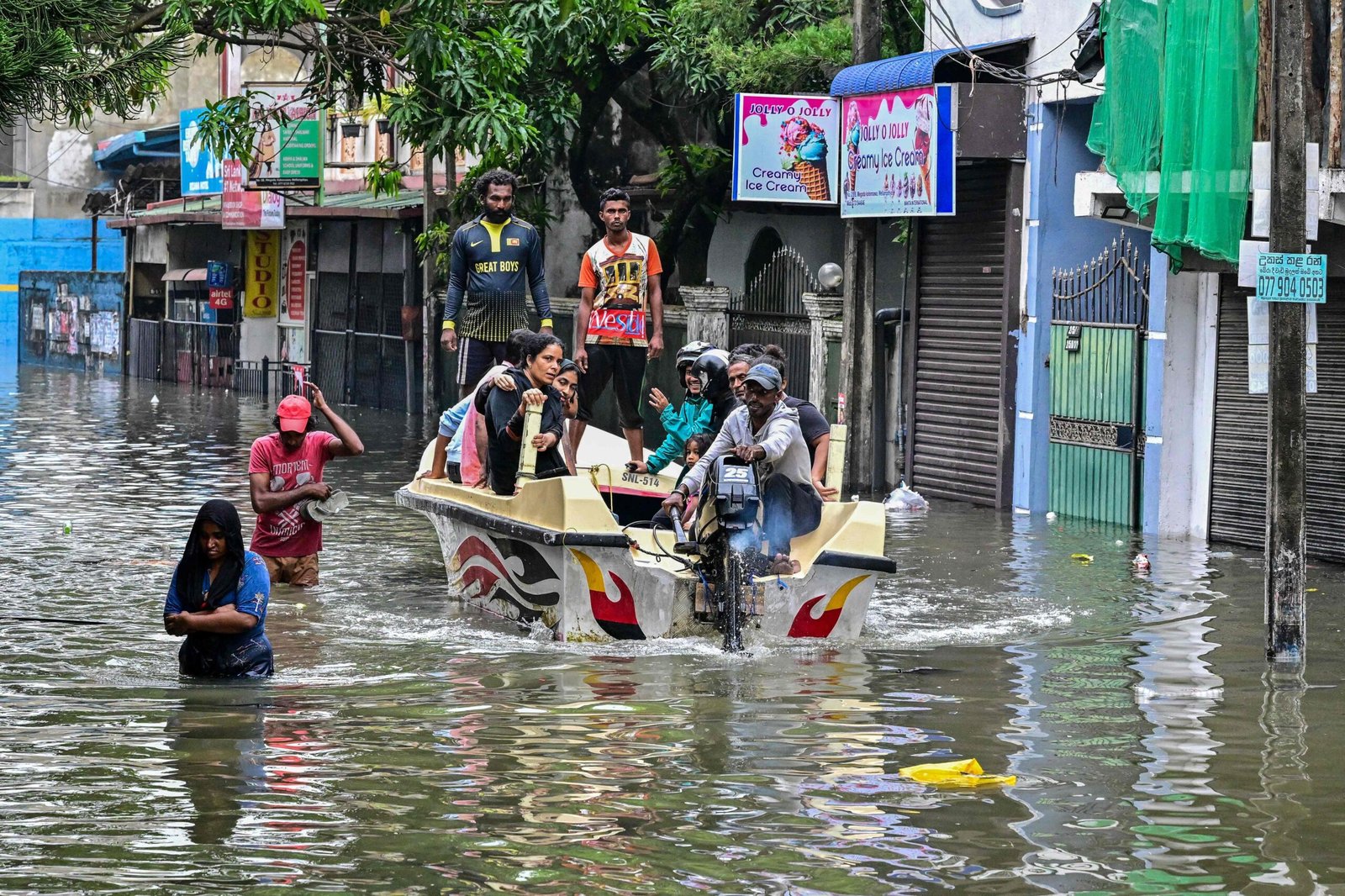
Sri Lanka is reeling from one of its worst natural disasters in decades after Cyclone Ditwah triggered catastrophic floods and landslides, killing at least 334 people across the island nation, according to the country’s Disaster Management Centre (DMC). Authorities say the toll is expected to rise as rescuers reach remote areas cut off by swollen rivers and blocked roads.
Official figures show that around 334 deaths have been confirmed, while roughly 370 to 400 people remain missing after days of intense rainfall linked to Cyclone Ditwah’s passage near the island. The disaster has affected more than 1.1 million people nationwide, with over 100,000 forced into temporary shelters after their homes were destroyed or severely damaged.
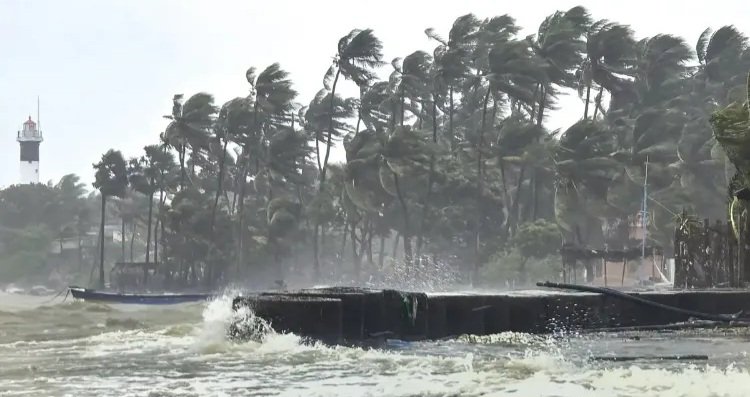
The central hill country and several low‑lying districts have borne the brunt of the destruction, with deadly landslides reported in Kandy, Badulla, Nuwara Eliya and Matale, and extensive flooding in Colombo, Gampaha, Puttalam, Mannar, Trincomalee and Batticaloa. Local reports indicate that entire neighbourhoods and tea estate settlements have been buried or swept away, leaving authorities struggling to complete damage assessments.
Floodwaters and mudslides have washed away roads and damaged bridges and sections of the rail network, severely hampering relief efforts. Officials estimate that hundreds of roads remain impassable, while damage to the national power grid has left large parts of the country without electricity and safe drinking water.

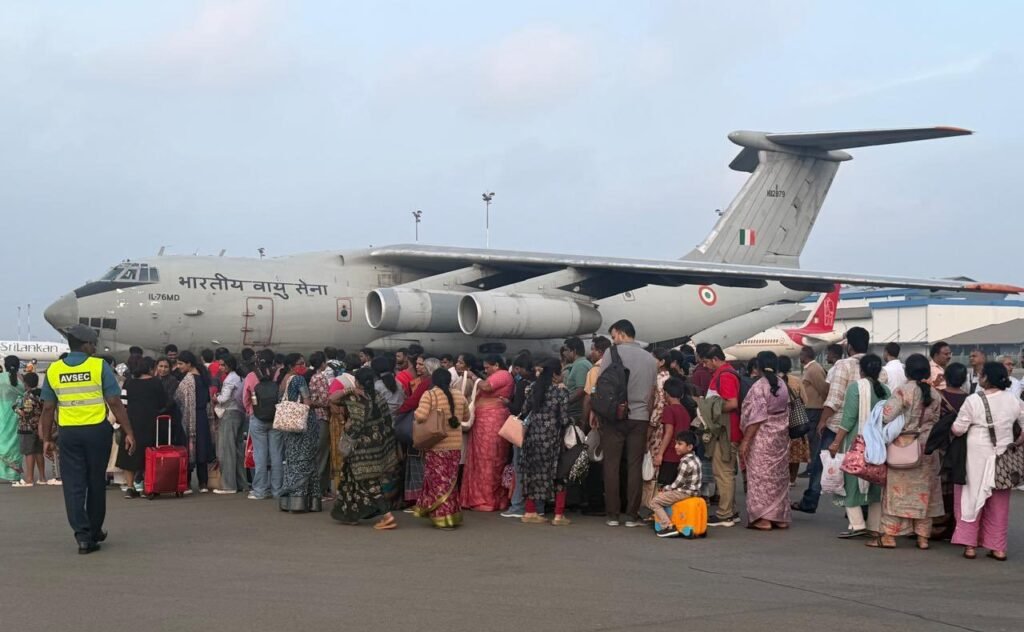
President Anura Kumara Dissanayake has declared a state of emergency, pledging to prioritise rescue, relief and the search for missing persons, while appealing for international assistance. India has responded by airlifting tonnes of relief material and deploying specialised teams and helicopters under its humanitarian mission to support Sri Lankan and local rescue operations. Authorities warn that continued rain and unstable slopes could trigger further landslides even as waters slowly begin to recede.