





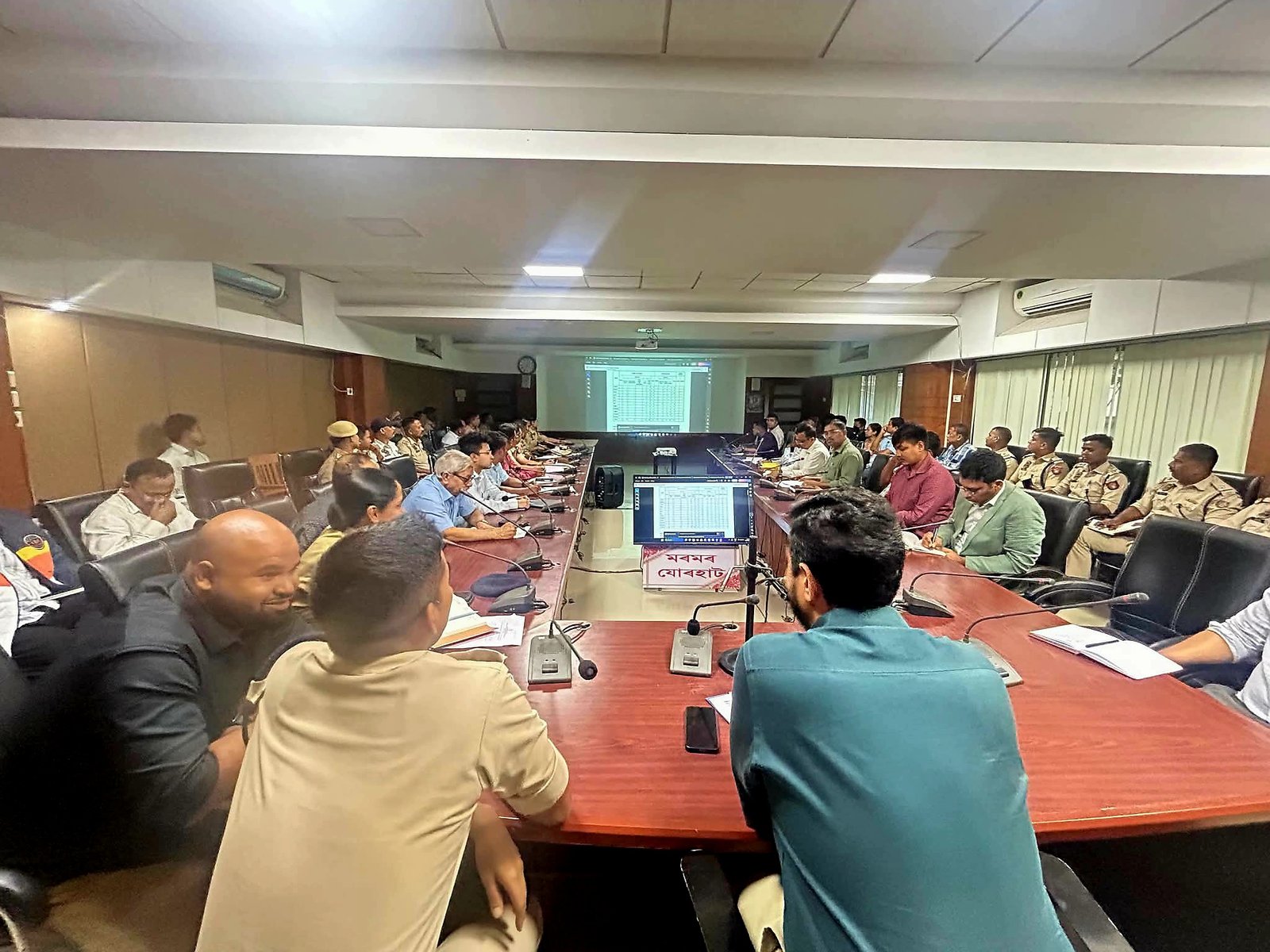
In a decisive move to combat the district’s drug epidemic, the Jorhat district administration convened a high-level meeting of the Narco Coordination Centre (NCORD) on Friday, charting a comprehensive strategy that targets drug peddlers while also focusing on prevention and rehabilitation. Chaired by District Commissioner Jay Shivani, the session united key officials from the police, health, education, and social welfare departments, signaling a coordinated governmental offensive.
The meeting, held in the District Commissioner’s office, served as a strategic command centre for intensifying the district’s anti-drug efforts. Officials conducted a rigorous review of current enforcement challenges, identifying specific vulnerable zones—including areas near educational institutions and key transit routes—for heightened surveillance and patrolling. A central focus was on dismantling the sophisticated supply chains that fuel addiction, with plans to enhance intelligence-sharing between agencies and leverage technology for more effective interdiction.
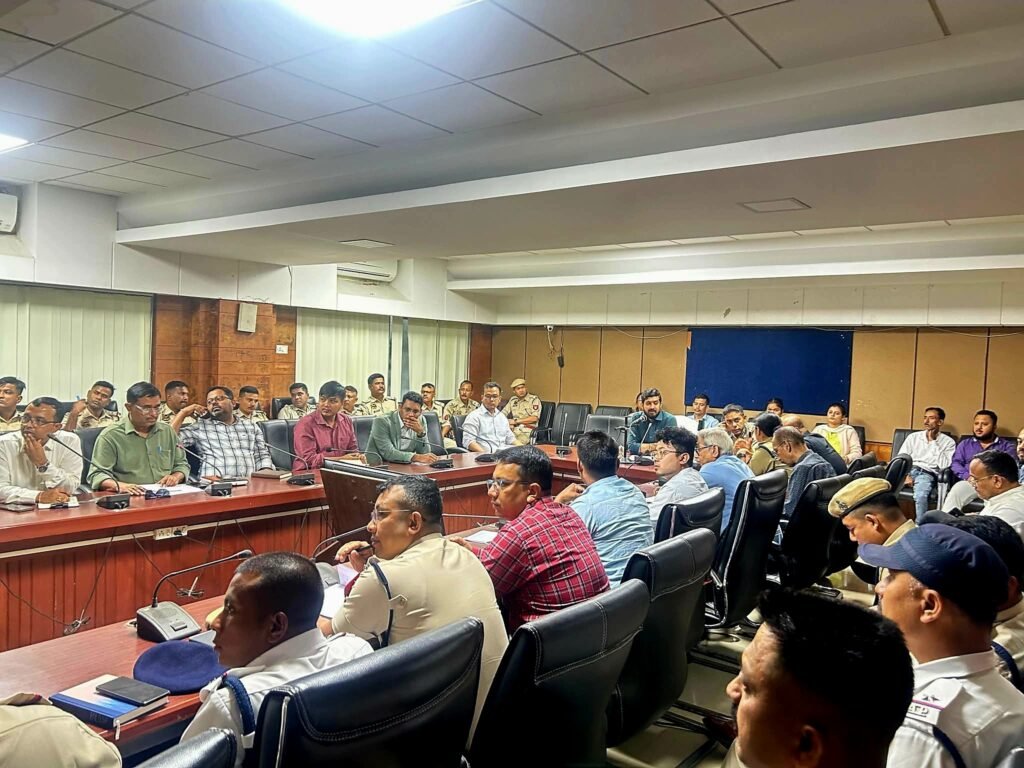
Emphasising the need for a holistic strategy, DC Jay Shivani stated, “A purely enforcement-centric approach is insufficient. We must adopt a multi-pronged strategy that simultaneously chokes the supply network and reduces demand through robust prevention and compassionate rehabilitation. Sustained coordination is our greatest weapon in this fight.”
SSP Subhrajyoti Bora outlined operational priorities. “Our commitment is to systematically dismantle every drug network in Jorhat. This requires not just arrests, but pre-emptive action based on real-time intelligence and seamless coordination between all law enforcement and civil agencies,” Borah affirmed.
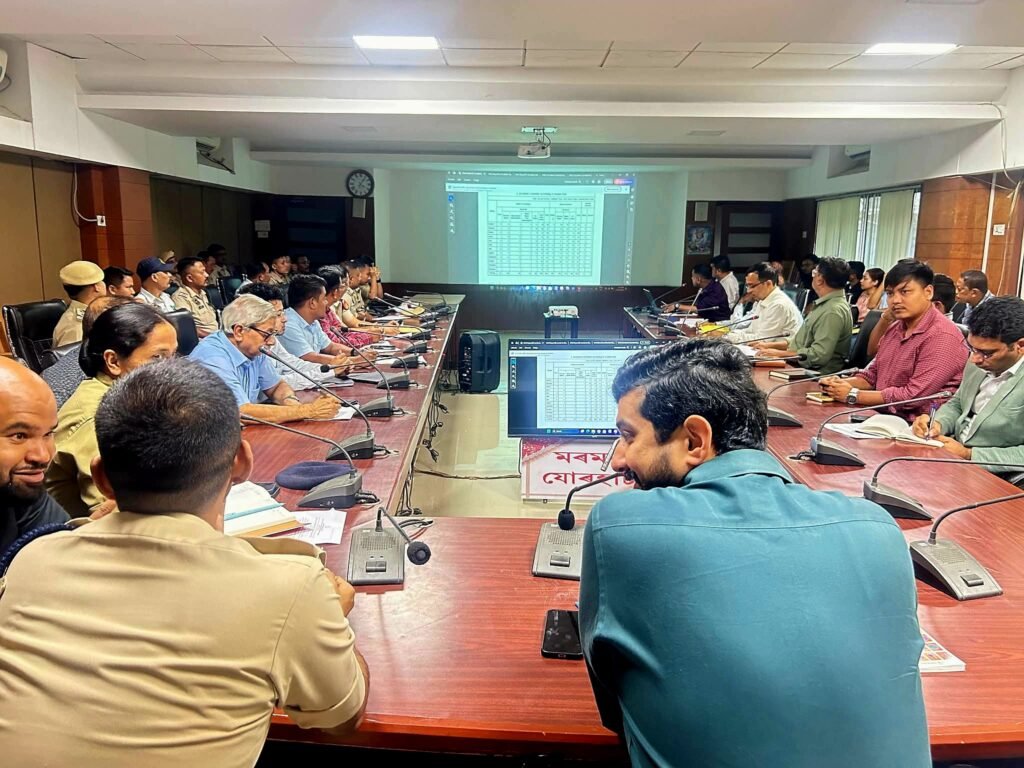
Recognising that enforcement alone cannot solve the crisis, the committee dedicated significant time to demand reduction. Plans were finalised to launch aggressive awareness campaigns targeting schools, colleges, and vulnerable communities, educating youth on the dangers of substance abuse. Furthermore, the meeting stressed the importance of strengthening rehabilitation infrastructure and fostering community participation. Officials urged citizens to act as the “eyes and ears” of the administration by reporting suspicious activities, while also encouraging societal support for those seeking to overcome addiction, thereby creating a supportive ecosystem for recovery.